
Catering & Private Events: The High-Margin Revenue Small Restaurants Overlook
You already have the kitchen, the recipes, and the team. Catering and private events turn all of it into a second, higher-margin revenue stream — often without a single extra table. Here's how to start.
Catering & Private Events: The High-Margin Revenue Small Restaurants Overlook
Most independent restaurants are chasing growth in the hardest possible place: more covers. Fill more seats, turn tables faster, squeeze another service out of the night. It’s a grind, it’s capped by your square footage, and everyone in your neighbourhood is fighting for the same hungry walk-ins.
Meanwhile, there’s a revenue stream sitting right in your kitchen that most owners barely touch. Catering and private events use the assets you already own — your recipes, your equipment, your team, your name — and turn them into large, predictable, high-margin orders that don’t depend on filling your dining room. One office lunch order can be worth a dozen walk-in tickets. One booked-out Saturday private party can beat a normal service and lock in the revenue weeks ahead of time.
If you’ve been treating catering as “something we’d do if someone asked,” you’re leaving real money on the table. Let’s look at why it works and how to start without overcomplicating your life.
Why the margins are better
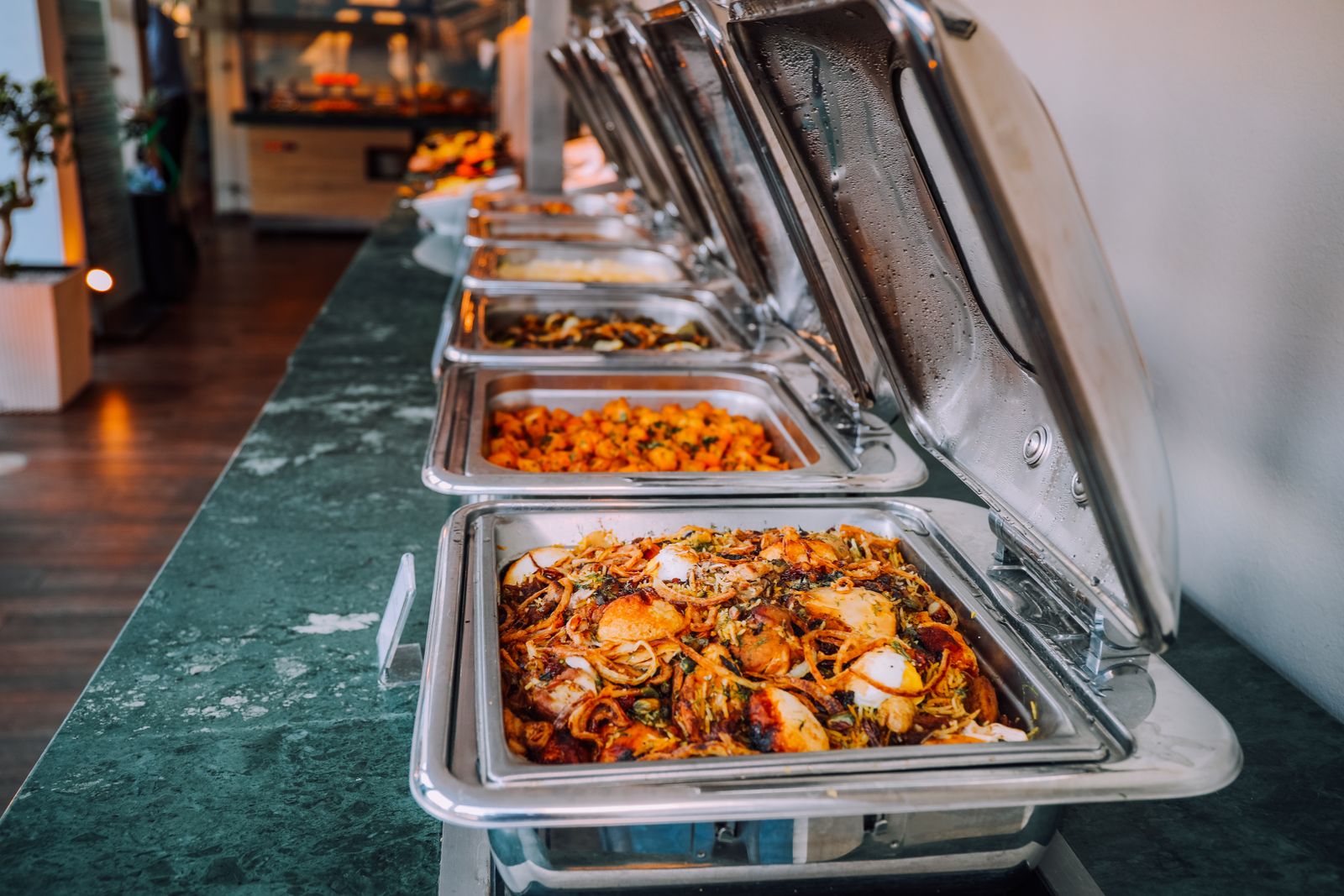
A catering order is efficient in ways a busy dinner service never is. You know exactly what you’re making and how much, often days in advance, so you buy precisely and waste almost nothing. There’s no table being occupied for two hours by people who ordered one appetizer and tap water. There’s no server spread across eight tables. It’s one big, known order, prepped in a batch, out the door.
That efficiency is where the margin hides. You’re using kitchen capacity you’d otherwise waste — the quiet Tuesday afternoon, the prep hours between services — to produce revenue with far less overhead per dollar than a normal cover. And large orders come with something a walk-in never gives you: a deposit, a confirmed headcount, and a date on the calendar. Predictable money you can plan around is worth more than the same amount arriving at random.
You don’t need to become a catering company
The word “catering” makes a lot of owners picture a whole second business — a fleet of vans, giant chafing dishes, a dedicated events team. You don’t need any of that to start. Begin with the simplest version and let demand pull you further.
- Group and party trays. Your existing bestsellers, packaged for eight or twelve. An office orders lunch, a family orders for a gathering. Minimal new work, mostly your current menu scaled up.
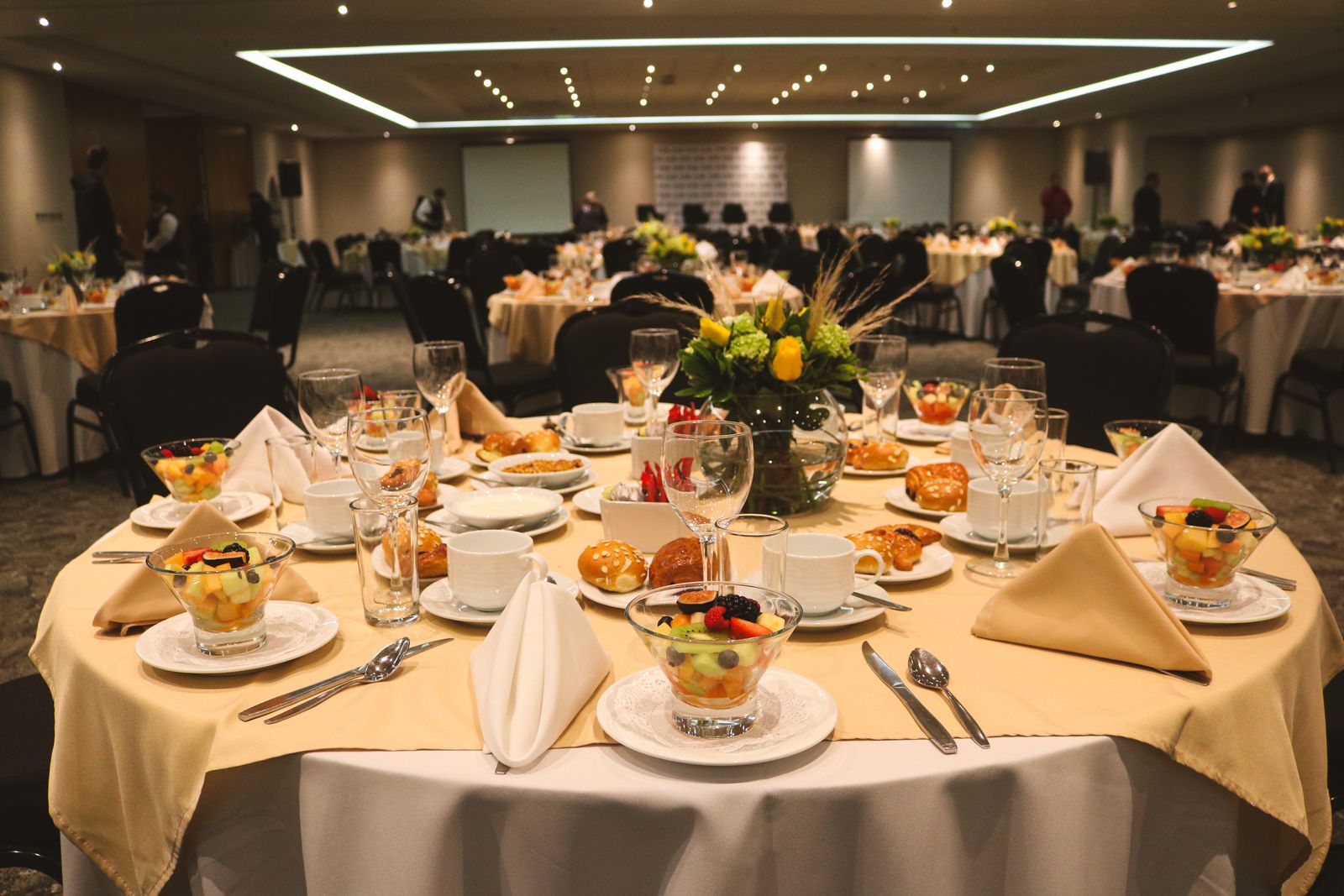
- Private dining or buyouts. Let a group book a section, a private room, or the whole place for an evening. You’re selling something you already have — the room — on a night or in a slot you choose.
- Set menus for events. A fixed three-course menu for a birthday or a small corporate dinner. Easier for your kitchen than à la carte, and it lets you quote a clean per-head price.
Start with whichever of these fits your kitchen with the least friction. A pizzeria leans into party orders; a nicer bistro leans into private dinners. You’ll learn fast which one your customers actually want.
Make it stupidly easy to book you
Here’s what quietly kills most restaurants’ catering before it starts: the enquiry process is a mess. A potential client — often someone at work with ten minutes and a corporate card — has to find a phone number, call during your lunch rush, wait for someone who knows the catering details, and hope for a callback that may never come. Half of them give up and order from the place that made it easy.
The fix is to treat catering enquiries like the valuable leads they are. Put a clear “Catering & Events” section on your website with the essentials: what you offer, rough pricing or minimums, how much notice you need, and a simple form or a direct way to reach you. Someone should be able to send you a request in two minutes, from their phone, at 11pm when they remember they’re hosting on Friday. Every hour that a good enquiry sits unanswered is an order drifting to a competitor, so decide who responds and how fast — same-day, ideally.
Where your first orders come from
You don’t need a marketing budget to land your first catering jobs. The customers are already around you.
- Tell the regulars you love. The people who eat with you every week are your best catering clients — they already trust your food. A small sign, a line on the menu, a word from your staff: “Did you know we cater?” That alone starts the flow.
- Look at the businesses on your street. Offices, clinics, and shops nearby need lunches, meetings fed, and staff parties catered. A friendly drop-in with a sample and a one-page menu goes a long way.
- Turn every event into the next one. Cater one birthday well and half the guests are future clients who just tasted your food and watched you nail the occasion. Make it easy for them to find and book you afterward, and one event quietly seeds the next.
Turn your kitchen into two revenue streams
Lekro gives you a website with a catering enquiry page and direct bookings — so groups can find and book you in minutes instead of giving up. Start free.
You’ve already made the hard investments — the kitchen, the recipes, the team that can execute. Catering and private events are simply a second way to earn from all of it, at better margins, without waiting for another walk-in. Start small, make it effortless to book you, and let a handful of good orders show you just how much room to grow was sitting in your kitchen the whole time.
Tags