
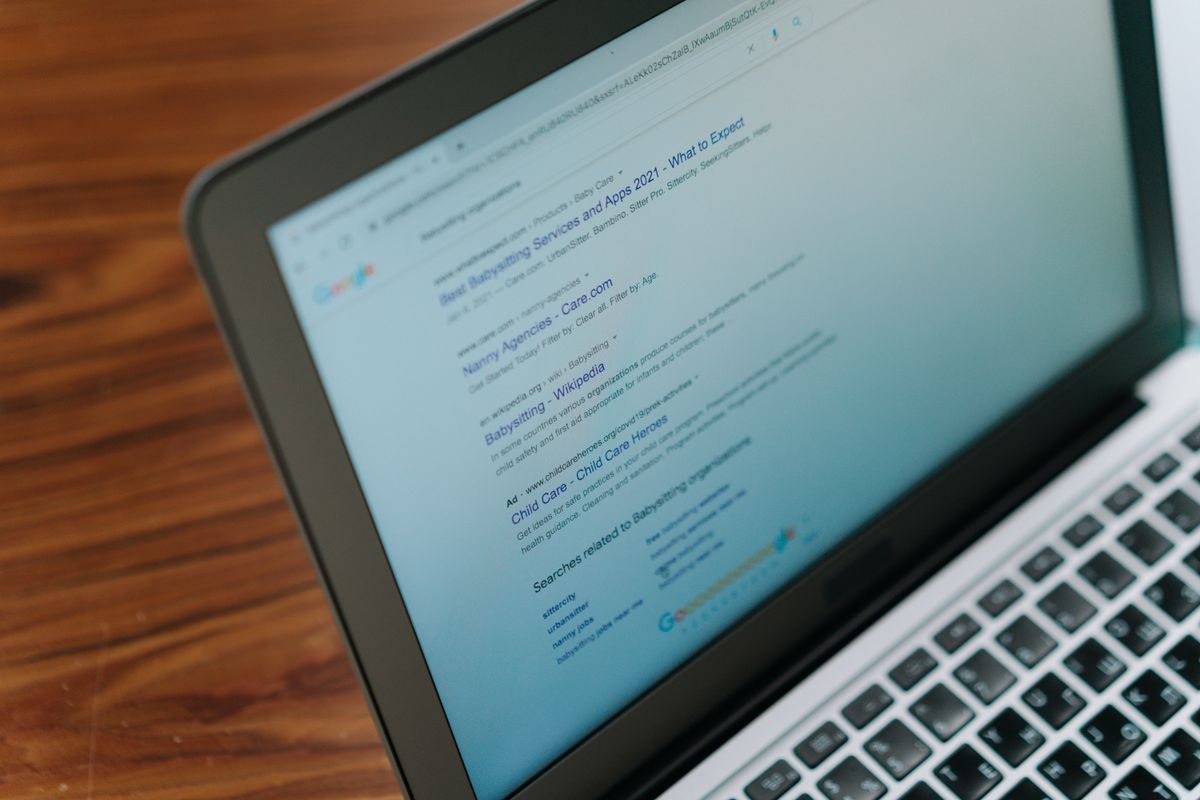
Should Your Restaurant Run Google Ads? An Honest Answer for Small Places
Those 'sponsored' restaurants at the top of Google cost money on every click. Here's when Google Ads actually pay off for an independent restaurant, when they just burn cash, and how to run them without wasting a dirham.
Should Your Restaurant Run Google Ads? An Honest Answer for Small Places
You’ve seen them. You search “brunch near me” or “best pizza in town” and the top two or three results have a little Sponsored label. Someone paid to sit above everyone else, right at the moment a hungry person is deciding where to go. And the question naturally follows: should you be up there too? Is paying for Google Ads a smart move for a small restaurant, or a fast way to hand your money to Google for nothing?
The honest answer is: sometimes yes, often not yet. Google Ads can be one of the most effective ways to reach people at the exact moment they’re ready to eat — but only if a few things are already in place. Run them on a weak foundation and you’re pouring water into a bucket full of holes. Let’s sort out which situation you’re actually in.
What Google Ads actually do for a restaurant
Strip away the jargon and it’s simple: you pay to appear at the top of Google’s results (and sometimes Google Maps) when someone searches for terms you choose, and you pay a small amount each time someone clicks. For a restaurant that usually means search ads on high-intent local terms — “sushi near me,” “italian restaurant [your area],” “private dining [your city]” — landing that searcher on your website or profile.
The appeal is real, and it comes down to one word: intent. Someone typing “brunch near me” at 10am on a Sunday isn’t idly browsing — they are minutes from choosing a restaurant and going. There’s no better time to put yourself in front of someone than the second they’ve decided to spend money on exactly what you sell. That’s what makes search ads different from a billboard or a random Instagram boost: you’re not interrupting anyone, you’re answering a question they just asked.
The honest case against (or “not yet”)
Here’s what the ad-platform sales pitch won’t tell you: for a lot of small restaurants, Google Ads are premature, and the money would do more work somewhere else.
- If your free presence isn’t sorted, ads are a leaky bucket. Your Google Business Profile, your reviews, and your local search presence are free and often more important than any ad. If those aren’t in shape, you’re paying to send people to a business that doesn’t look trustworthy when they arrive.
- A click to a bad or missing website is money set on fire. You pay the moment someone clicks. If they land on a slow page, a link to a third-party app, or no real website at all, you paid for a visitor who bounced. The ad is only as good as where it sends people.
- You can burn a budget fast on the wrong terms. Broad, generic keywords eat money and bring the wrong people. Without tight targeting and negative keywords, a small budget vanishes in days with nothing to show.
- Sometimes you’d have gotten the click free. People searching your restaurant by name were probably going to find you anyway. Paying for clicks you’d win organically is a common, quiet waste.
When ads genuinely make sense
There are real situations where paying to be at the top is exactly right:
- You’re brand new. A just-opened restaurant has no reviews, no ranking, and no reputation yet. Ads buy you visibility in the fragile early months before word of mouth and organic search catch up.
- You’ve got a specific, high-value thing to sell. Private events, catering, a set festive menu, a new second location — a focused campaign around a high-margin offer can pay for itself cleanly, because you can measure exactly what it brings in.
- You’re invisible in a crowded market. If ten similar restaurants outrank you organically and you can’t climb, ads can get you seen while you build the slower, free presence underneath.

How to run them without wasting money
If you’re in one of those situations, the difference between a campaign that pays and one that bleeds comes down to a handful of disciplines:
- Fix the free foundation first. Claim and complete your Google Business Profile, gather reviews, and get a real website live. Ads amplify what’s already there — they don’t fix a weak setup. Money spent amplifying a strong presence works; money spent amplifying a broken one just makes the leak bigger.
- Send every click to a page you own and control. Not a third-party app profile, not your Instagram — your own website, with your menu, hours, location, and one obvious next step: book a table, order, or get directions. You paid for that visitor; don’t hand them straight to a middleman.
- Target tightly by location. Restrict your ads to the area you actually serve — your delivery radius or the neighborhoods people will realistically travel from. Paying to show your ad to someone two cities away is pure waste.
- Use high-intent keywords and negative keywords. Bid on terms that signal someone’s ready to eat or book near you, and add negative keywords to stop wasting spend on searches that will never convert (jobs, recipes, “how to make…”).
- Start small and measure real outcomes. Set a modest daily budget and track what actually matters — bookings, orders, calls, direction requests — not just clicks. Kill what doesn’t convert, feed what does. A restaurant that can’t measure the result of its ads is just donating to Google.
Where the money often works harder
One more thing worth sitting with before you commit a budget: Google Ads stop the moment you stop paying. The clicks end, the visibility ends, and you’re back where you started. The owned assets those ads should be pointing to — your website, your email list, your regulars — keep paying you back long after any campaign ends. For many small restaurants, the smartest sequence is to build that owned foundation first, then use ads as a targeted amplifier on top of it, not as a substitute for it.
Because whatever you do with ads, they all send people to the same place: a page that has to convince a hungry stranger, in a few seconds, to choose you. If that page is fast, shows your menu, and makes ordering or booking effortless, every click has a chance to pay off. If it isn’t, no ad budget will save it.
Give your ads somewhere worth landing
Lekro gives you a fast website with your menu, online ordering, and booking built in — the owned landing page every ad click deserves. Start free.
The short version
Google Ads are an amplifier, not a foundation. If you’re new, pushing a specific high-value offer, or stuck invisible in a crowded market — and your free presence and website are already solid — a small, tightly targeted, well-measured campaign can absolutely pay off. If your Google Business Profile is empty and you don’t have a real website yet, spend the money there first. Get found for free where you can, pay to be found where you must, and never send a paid click anywhere but a page you own.
Tags