How to Get Your Restaurant Found on Google: A Local SEO Guide for 2026
A plain-English local SEO guide for restaurants and cafes — how the Google map pack really works, how to optimize your Google Business Profile, and the website fixes that get you ranking for 'near me' searches.
How to Get Your Restaurant Found on Google: A Local SEO Guide for 2026
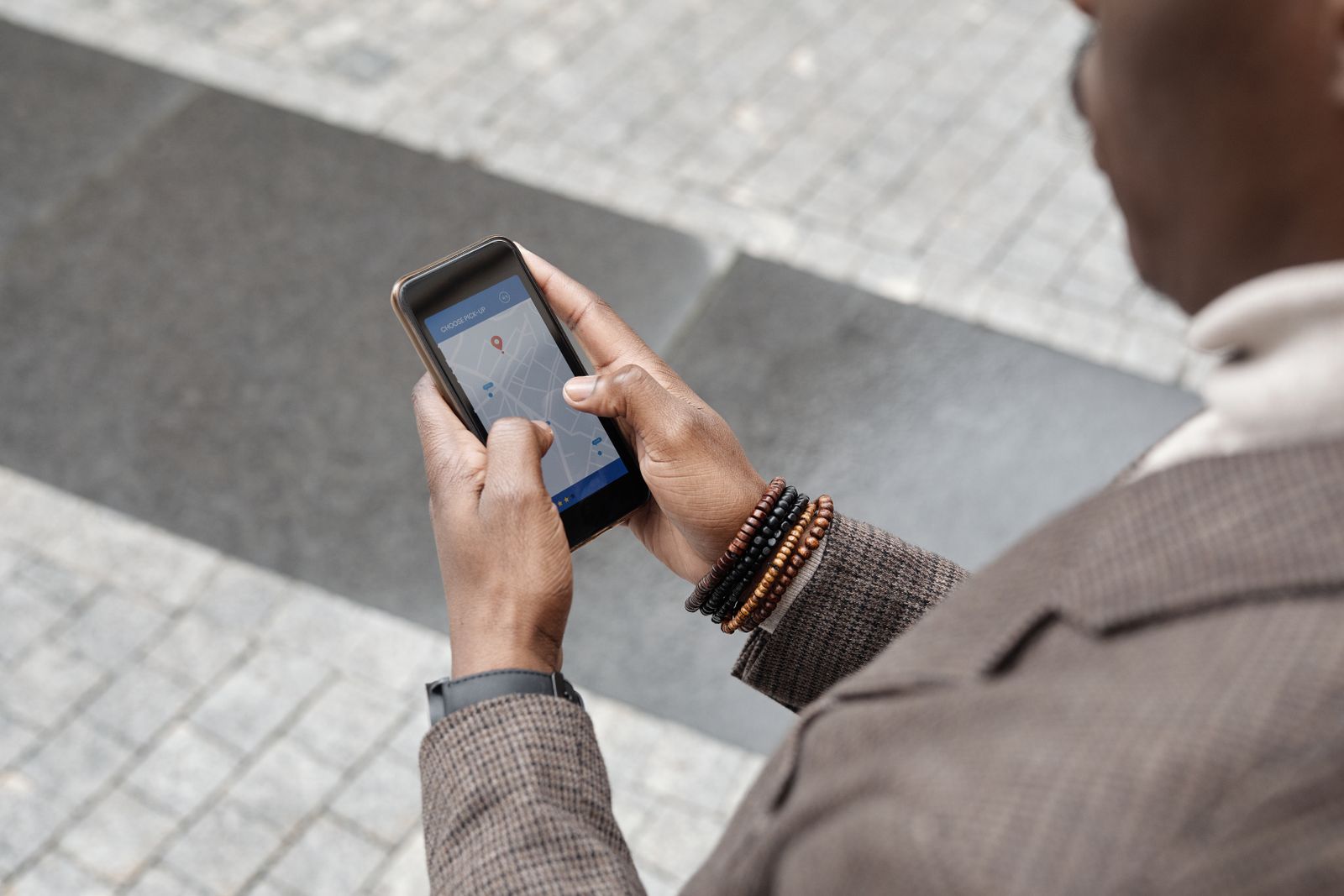
Picture a stranger standing two blocks from your door. They’re hungry, they pull out their phone, and they search “lunch near me.” In the next four seconds, Google decides whether they see your restaurant or the one across the street. That decision is what local SEO is about — and unlike almost any other marketing, winning it costs you nothing but attention.
Here’s the encouraging part: most independent restaurants do local SEO badly or not at all. That means the bar to beat your neighbors is low, and the moves that matter are ones any owner can make without a marketing agency. Let’s walk through them.
How Google decides which restaurants show up
When someone searches for food nearby, Google shows a “local pack” — the little map with three highlighted restaurants pinned below it. Getting into that pack is the whole game, because it’s where the taps go. Google ranks it on three things:
- Relevance — how well your business matches what they searched (a “pizza near me” search wants pizza places).
- Distance — how close you are to the searcher.
- Prominence — how well-known and trusted you appear across the web.
You can’t move your restaurant, so distance is fixed. But relevance and prominence are almost entirely in your control — and that’s where you win.
Your Google Business Profile is the foundation
If you do only one thing from this article, do this. Your Google Business Profile (the panel that appears with your photos, hours, and reviews) is the single most important asset in local SEO. A fully optimized profile can be the difference between showing up in the map pack and being invisible to someone searching right down the street.
Here’s your checklist:
- Claim and verify it. Until you verify (by postcard, phone, or video), you don’t control the listing. Do this first.
- Nail your primary category. This is the highest-weighted single signal in the ranking. Choose the most specific accurate category — “Coffee shop,” “Lebanese restaurant,” “Pizza restaurant” — not just “Restaurant.”
- Get your hours exactly right. Inaccurate hours are a top-five ranking signal and the number-one source of angry reviews. Update them for holidays too.
- Add 10–15 real photos. Food, interior, exterior, the storefront people should look for. Profiles with photos get 42% more direction requests.
- Post twice a week. Posting frequency is a top-tier ranking signal in 2026. A quick photo of a special or an event keeps you active and visible.
This profile is free, it’s yours, and keeping it fresh does more for your visibility than most paid ads.

Reviews are ranking fuel — and recency wins
Google leans hard on reviews, but not the way most owners think. It’s not just the total count — it’s how recent and consistent they are. A restaurant with 50 reviews from the last six months will typically outrank one with 200 reviews that all landed years ago.
So build a steady drip, not a one-time push:
- Make asking effortless. A QR code on the receipt or table that opens your review page turns a happy moment into a review while the guest is still glowing.
- Ask at the right time. Right after a great dish or a warm goodbye — not via a cold email a week later.
- Reply to all of them. Thank the good ones; respond calmly and constructively to the bad ones. Google reads engagement as a trust signal, and future customers read your replies as character.
Aim for a handful of fresh reviews every week, forever. That steady pulse is what keeps you climbing.
Get a website Google actually wants to rank
Lekro builds your restaurant a fast, mobile-first site with a real menu page, structured data, and clean local signals baked in — so you show up when hungry people search nearby. Start free.
Your website still matters (a lot)
Your Google profile gets you into the conversation, but your website is what confirms to Google that you’re relevant and legitimate — and it’s where searchers land to decide. A few things move the needle hard:
- Use a real HTML menu page, never a PDF. Google can read a text menu and rank you for the dishes on it. It can’t read a PDF, so those searches pass you by. This one fix alone helps enormously.
- Be genuinely fast on mobile. Slow sites get abandoned, and Google measures those bounces. Aim for a page that loads in under three seconds on cellular data.
- Add structured data (schema markup). This is the behind-the-scenes code that tells Google — and increasingly AI assistants and voice search — your hours, menu, price range, and location. In 2026, restaurants without it are effectively invisible to AI search. A good restaurant platform adds this for you automatically.
- Put your name, address, and phone on the site, matching your Google profile exactly.
You don’t need to hand-code any of this. Modern restaurant website platforms handle the speed, the menu page, and the schema out of the box — which is a big part of why building on the right platform is itself an SEO decision.
Consistency everywhere (the “NAP” rule)
Google cross-checks your business details across the web to gauge how trustworthy you are. If your address is written three different ways on Google, your website, and a directory, that inconsistency erodes your prominence. Make your Name, Address, and Phone number identical everywhere they appear — same spelling, same format, same suite number. It’s tedious, it’s boring, and it genuinely helps you rank.
A realistic 30-day plan
Local SEO compounds, so start now and keep going. Here’s a month that gets you moving:
- Week 1: Claim and fully optimize your Google Business Profile — category, hours, and 12 photos.
- Week 2: Fix your website’s menu (real page, not PDF), confirm it’s fast on mobile, and check your name/address/phone match everywhere.
- Week 3: Set up an easy review-ask (QR on receipts and tables) and reply to every existing review.
- Week 4: Start posting to your Google profile twice a week and make it a permanent habit.
None of this requires a specialist or a budget. It requires an owner who understands that when someone nearby is hungry and searching, being the restaurant Google shows them is one of the most valuable positions in your entire market — and it’s yours to claim.
Tags