Words That Make People Hungry: The Psychology of Menu Descriptions
Your guests taste your menu with their eyes first. Learn the psychology of menu descriptions — the sensory words, stories, and badges that turn a plain list of dishes into cravings guests act on.
Words That Make People Hungry: The Psychology of Menu Descriptions
Here’s the strange truth about a menu: your guest tastes it long before the food arrives. They read a line of text, and somewhere in their mind a version of that dish appears — how it smells, how it crunches, how it’ll feel to eat. If the words are vivid, that imagined bite creates a real craving. If the words are flat, nothing happens, and they scan on to the next line.
That means every dish on your menu lives or dies on a single sentence. “Grilled chicken sandwich” and “char-grilled free-range chicken with smoked paprika aïoli on toasted sourdough” are the exact same lunch. One is an ingredient list. The other is a promise the guest can already taste — and it will outsell the first every single day.
This isn’t fluff or fancy language for its own sake. It’s the most under-used sales lever in the whole restaurant, and it’s sitting in plain sight. Here’s how to write descriptions that make people hungry.
Sensory words do the selling
The single biggest upgrade you can make is to write for the senses, not the spec sheet. Words that describe texture, sound, temperature, and aroma light up the parts of the brain that handle actual eating — so the guest half-experiences the dish before ordering it.
- Reach for texture and sound. “Crispy,” “crunchy,” “sizzling,” “flaky,” “velvety,” “gooey,” “melt-in-your-mouth.” These do more work than any adjective about size or price.
- Name the technique. “Slow-braised,” “wood-fired,” “hand-rolled,” “charred,” “twice-cooked.” Method words imply care and time, which the brain reads as this is worth more.
- It genuinely moves numbers. In one well-known university study, simply giving dishes richer, more descriptive labels lifted sales of those items by around a quarter — and diners rated the food as tastier afterwards. Same kitchen, same recipe. Better words.
You don’t need to do this for every line. You need to do it for the dishes you most want to sell.
Tell a small story
A dish with an origin is worth more than a dish without one, because a story gives the guest something to believe in beyond the ingredients.
- Name the source. “Locally sourced,” “from the farm up the road,” “day-boat catch,” “our own recipe since 1998.” Provenance signals quality and freshness, and it quietly justifies the price.
- Lean into nostalgia. “Grandma’s slow-cooked ragù,” “the recipe our founder grew up on.” Warmth and memory make food feel personal, and personal food feels more valuable than food from nowhere.
- Be specific. “Hass avocado,” “Sicilian lemons,” “72-hour fermented dough,” a named local cheese. Specific details read as true. Vague ones read as marketing. The brain trusts the dish that knows exactly what it’s made of.
Give your heroes room to breathe
Not every dish deserves the same amount of ink — and treating them equally is a wasted opportunity.
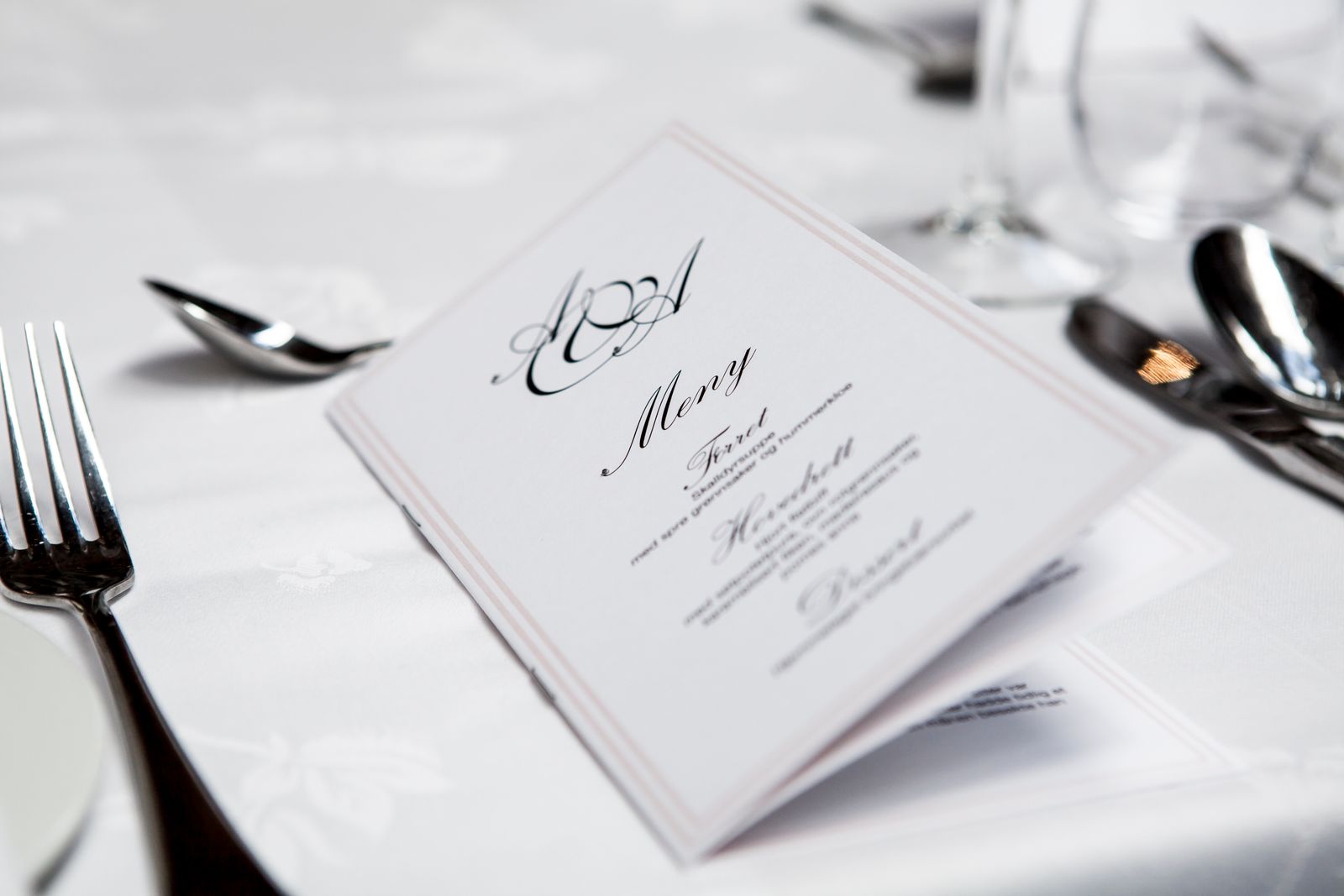
- Longer descriptions signal “order this.” When one dish gets a loving, two-line write-up and its neighbours get four words, guests read the extra care as a recommendation. Spend your best sentences on your most profitable, most delicious dishes.
- Keep the rest clean. The supporting cast can stay short. If everything is described lavishly, nothing stands out — and a wall of purple prose is exhausting to read.
- Guide the eye, don’t flood it. A menu where three dishes clearly shine outsells one where forty dishes all shout at once.
Badges and social proof, in words
A few small labels tap into the shortcuts people use when they can’t decide — and on a menu, someone is always deciding.
- “Most popular” is permission. When a guest is unsure, knowing that lots of other people order a dish makes it feel like the safe, smart choice. A simple “customer favourite” tag reliably lifts the item it’s attached to.
- “Chef’s recommendation” borrows authority. It says the expert would pick this, which is exactly the reassurance an undecided guest is looking for.
- A touch of scarcity works. “Only eight made fresh each day,” “available while it lasts.” A hint that a dish might run out makes it more desirable — nobody wants to miss the good one. Use it only when it’s true; fake scarcity gets noticed fast.
Used sparingly, these little cues quietly do the job your server would do if they had time to talk every table through the menu.
Two rules that keep it working
Great menu writing has guardrails. Break these and the whole thing backfires.
- Never over-promise. If the sentence sells more than the plate delivers, you win the order and lose the review — and a bad review costs far more than the sale was worth. The description has to be a promise the kitchen can keep.
- Don’t sacrifice clarity for cleverness. A cute, cryptic dish name with no explanation makes guests anxious, not intrigued — and an anxious guest orders the thing they already understand. Be evocative and clear: say what it actually is, then make it sound irresistible.
Why this is so much easier on a digital menu
On a printed menu, your words are frozen until the next reprint — so most owners write a description once, years ago, and never touch it. A digital menu turns your copy into something living.
- Edit in seconds. Rewrite a dull description over your morning coffee and it’s live by lunch — no print run, no waiting.
- Words plus a photo, together. A mouth-watering sentence next to an appetising picture is far more powerful than either alone, and a digital menu shows them side by side on every phone.
- Add badges that move. Flag “most popular” based on what’s actually selling, mark a dish “sold out” the moment it runs, and light up “new” when you launch something — all without reprinting a thing.
- Speak your guests’ language. Serving tourists? A digital menu can carry your descriptions in more than one language, so the words land for everyone at the table.
Make every dish sound irresistible
Lekro lets you write, edit, and photograph every menu item in one place — and update your descriptions and badges instantly, so your best sellers always read as good as they taste. Start free.
Start with your three best dishes
You don’t need to rewrite the whole menu tonight. Pick the three dishes you most want to sell — the ones with the best margins and the happiest customers. Give each a real sentence: a sensory word, a hint of a story, one specific detail. Add a “customer favourite” tag to the one that earns it. Then watch what happens over the next couple of weeks.
Your food is already good. The words are just there to make sure a hungry stranger, with thirty seconds and a menu in hand, can tell — and orders it before they’ve even picked up a fork.
Tags