The 5 Questions Every Diner Asks Before Choosing Your Restaurant
Long before anyone tastes your food, they've already decided whether to give you a chance — based on what they could find online. Here are the five questions running through a hungry person's head, and how to answer every one of them before they scroll past you.
The 5 Questions Every Diner Asks Before Choosing Your Restaurant
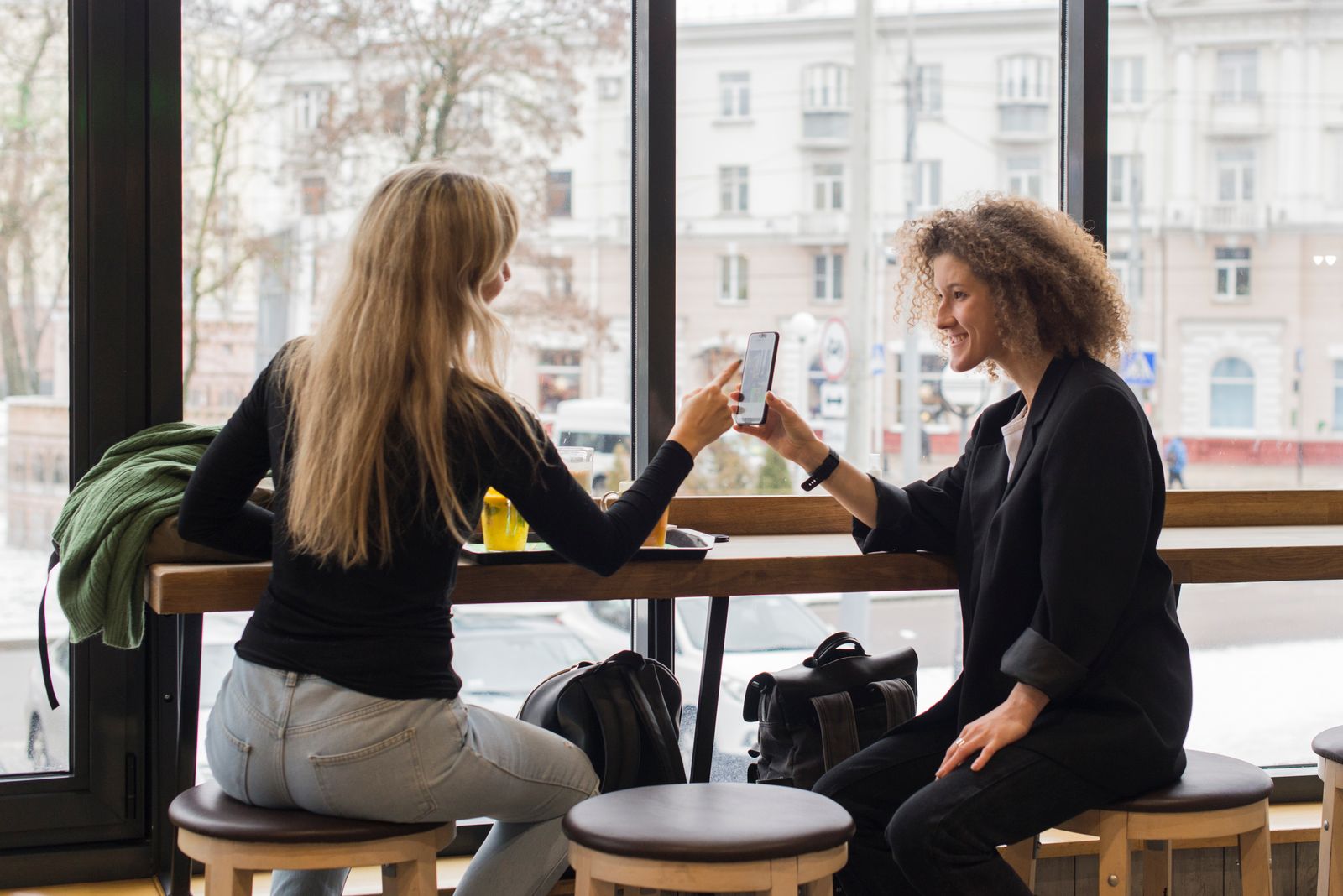
Here’s a moment that decides more of your revenue than any dish on your menu: a hungry person, phone in hand, thumb moving, trying to pick where to eat. They’ve never been to your place. They may never have heard your name until thirty seconds ago. And in the next minute or two, they’re going to choose you or the restaurant three doors down — entirely on what they can find, and how fast they can find it.
That’s the uncomfortable truth about running a restaurant in 2026. Your food might be the best in the neighbourhood, but nobody gets to taste it until they’ve already said yes online. The kitchen doesn’t get to make the first impression. Your search result does. Your menu page does. That grainy photo someone posted two years ago does.
So it’s worth knowing exactly what’s going through that person’s head. In my experience it comes down to five questions, and they ask them in roughly this order. Answer all five quickly and clearly, and you win the table. Leave any one of them hanging, and you’ve handed a paying customer to someone else — usually without ever knowing it happened.
1. “What do they actually serve — and will I like it?”
This is the first gate, and a shocking number of restaurants fail it. Someone lands on your page wanting one simple thing: to see the food. Not your origin story, not a slideshow of your dining room at golden hour — the menu. What do you make, and does any of it sound like what I want right now?
If your menu is a PDF that takes ten seconds to load on a phone, or a photo of a printed sheet they have to pinch-and-zoom to read, or — worst of all — missing entirely because it “lives on our Instagram,” you’ve lost people who were ready to walk in. They won’t email to ask. They’ll just leave.
Make the menu the easiest thing to find on your entire online presence. Keep it readable on a phone without any effort. Give dishes real descriptions, because “Grilled Chicken – 90” tells a stranger nothing, while a sentence about how it’s marinated and what it comes with can be the difference between a shrug and a craving. A few good photos of your actual food do more selling than a paragraph ever will.

2. “Is it any good?”
The second the menu passes, trust becomes the question. People are about to spend money and, more importantly, their time and their evening on you. They want a signal that they won’t regret it. So they look for proof — a star rating, a handful of recent reviews, photos from people who aren’t you.
You can’t fully control what people say, but you can absolutely control whether there’s anything there to see. A restaurant with four reviews looks risky next to one with two hundred, even if the food is identical. The fix isn’t clever; it’s just consistent: ask happy customers to leave a review, make it a one-tap thing to do, and reply to the reviews you get — the good ones with warmth, the bad ones with grace. A thoughtful reply to a complaint reassures the next reader far more than the complaint scares them.
Recency matters too. Nobody trusts a wall of five-star reviews that all stop eighteen months ago. It reads like a place that used to be good. A steady trickle of recent feedback quietly says we’re still here, and people still love us.
3. “Where are they, and are they even open right now?”
This one is boring and absolutely lethal. Somebody has decided they like the look of you — and then they can’t tell if you’re open, or where you are, or whether it’s worth the drive. That tiny friction is enough to kill the whole thing. Hunger is impatient. Doubt sends people back to the search results.
Your address, your hours, and your live open/closed status need to be dead obvious and dead accurate. The classic disaster is the restaurant whose Google hours say “open until 11” when you actually close at 9 — because every person who shows up at 9:30 to a locked door doesn’t just leave annoyed, they leave a review about it. Keep your hours current everywhere they appear, flag your holiday closures before the holiday, and make your location a tappable map link, not a paragraph of directions.
4. “How much is this going to cost me?”
People are quietly anxious about price, and hiding your prices makes that worse, not better. When someone can’t find out roughly what dinner costs, they don’t assume “affordable” — they assume “expensive, and probably trying to hide it.” Then they pick the place that was upfront.
Put prices on the menu. All of them. The mid-range diner deciding between you and somewhere else wants to know they can relax and enjoy the meal without a surprise at the end. Transparency reads as confidence and respect, and it filters for the customers who are actually a fit for you. You are not losing anyone worth keeping by being honest about your prices — you’re just losing the sting of the reveal.
5. “Okay — how do I actually do this?”
The final question is the one most restaurants forget to answer, because they assume it’s obvious. It isn’t. The customer has decided yes. Now what? Do they call? Can they book a table? Can they order for pickup or delivery right here? Do they just show up? If the answer takes any effort to figure out, that hard-won “yes” can still evaporate.
Every page a diner might land on should make the next step unmissable and easy. A prominent button to order online. A simple way to reserve. A phone number that’s tappable, not just typed out. The whole point of answering the first four questions is to get someone to this moment ready to act — so don’t make them hunt for the door once they’ve decided to walk through it.
Answer all five questions on one link
A Lekro restaurant page puts your menu, prices, photos, hours, and an order button in one fast, mobile-friendly place — so a hungry stranger gets every answer before they scroll away. Set it up free.
None of this is about tricks or marketing spend. It’s about respecting the two minutes a stranger is willing to give you before they choose. Your competition isn’t only the restaurant down the street — it’s the customer’s own doubt and impatience. Every one of these five questions is a small door that either opens toward your kitchen or closes in your face. The good news is you get to decide which, and you get to decide it today, from a laptop, before a single new customer ever walks in.
Tags