The Real Reason Customers Never Come Back (It's Not the Food)
Most restaurants lose regulars without ever knowing why — and it's rarely the cooking. Here are the quiet experience failures that stop guests coming back, and how to fix them.
The Real Reason Customers Never Come Back (It’s Not the Food)
Here’s the most expensive problem in your restaurant, and you can’t see it: the customers who don’t come back. They don’t complain. They don’t leave a review. They don’t tell you what went wrong. They just quietly stop showing up, and their table gets filled by a stranger who will probably do the same thing in a month. Churn is invisible — which is exactly why it’s so dangerous.
Most owners have a comforting explanation ready: “if the food’s good, they’ll come back.” And the food is good — that’s usually not the issue. Great food is what earns you the first visit. It’s almost never what loses you the second. The reasons people don’t return are quieter, more human, and far more fixable than a recipe.
It’s almost never the food
There’s a much-quoted piece of customer research that every restaurant owner should sit with for a minute. When you ask people why they stopped going somewhere, the biggest reason by far isn’t price, and it isn’t quality. Around two-thirds say they left because they felt the business was indifferent to them. Not that anything was wrong, exactly. Just that nobody seemed to care whether they came back or not.
Sit with that. Your kitchen can be excellent and you can still be bleeding regulars, because the thing that brings people back isn’t only what’s on the plate — it’s how the whole visit made them feel. Here are the four ways that feeling goes quietly wrong.
They felt like a stranger
The single warmest thing a restaurant can do is make a guest feel recognised — and the single coldest is to treat every visit as a transaction with an anonymous wallet. When a regular walks in for the fifth time and gets greeted exactly like a first-timer, something small dies. They’re not a guest; they’re order number 44.
You don’t need to memorise everyone. But the places people fall in love with are the ones where somebody clocks that they’ve been before, remembers their usual, asks how the family is. That recognition is the whole ballgame, and its absence is felt even when nobody can name it.
The small frictions add up
No single one of these will make a guest swear off your restaurant. Stacked together, they quietly tip a “that was nice” into “let’s try somewhere else next time.”
- It was a hassle to order. A confusing menu, a QR code that doesn’t load, an online-order flow that takes five screens and a phone call.
- A small thing was off. A ten-minute wait for the bill, a lukewarm plate, an order that came out slightly wrong and got fixed without an apology.
- Booking was a pain. They tried to reserve, couldn’t do it online, gave up, went elsewhere — and never came back to try again.
Each of these is tiny. That’s the trap. They’re each too small to complain about and just big enough to remember.
Inconsistency is the silent killer
Ask yourself an uncomfortable question: is the experience the same on a chaotic Friday night as it is on a quiet Tuesday? For a lot of restaurants, the honest answer is no — and guests notice. A brilliant first visit followed by a mediocre second one doesn’t average out to “pretty good.” It reads as unreliable, and unreliable is something people won’t risk a third time. Consistency isn’t the boring part of hospitality. It’s the whole promise.
Nothing ever invited them back
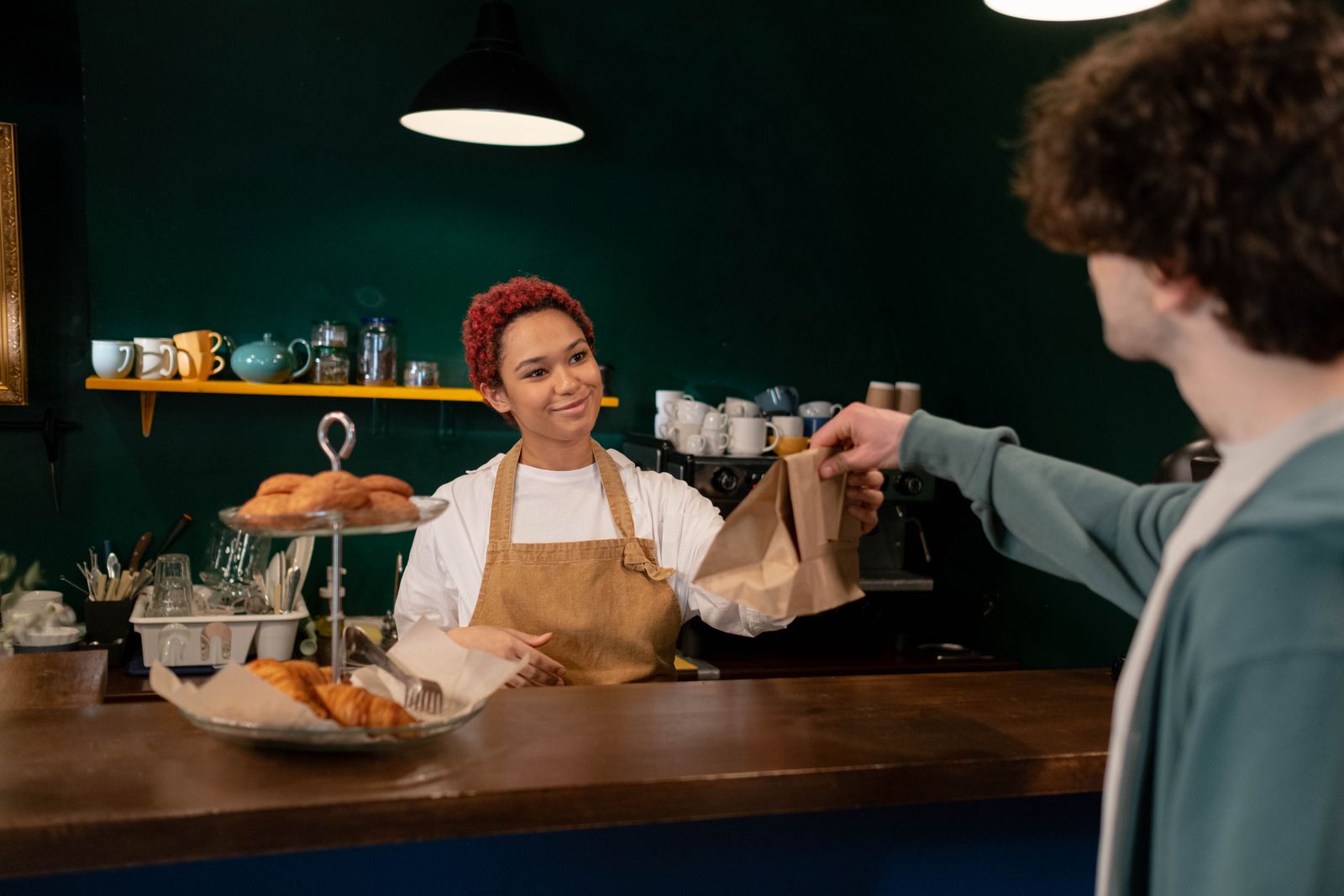
This is the big one, and it’s the one most restaurants have zero system for. A guest has a perfectly lovely meal, pays, walks out the door — and then nothing. No reason to return, no gentle reminder, no relationship. You had them in the building, delighted, and you let them leave as an anonymous stranger you have no way to reach. Out of sight becomes out of mind, and three weeks later they’re a regular at the new place down the road that simply asked for their number.
The problem underneath the problem is ownership. If your guests only ever reach you through a delivery app or a walk-in, you don’t own the relationship — the app does, or nobody does. You can’t bring back a customer you have no way to contact.
How to actually keep them
The fixes aren’t expensive. They’re mostly about caring on purpose and building the small systems that let you.
- Make people feel seen. Train your team to recognise returning faces and use names. When you take orders directly — through your own site instead of a third-party app — you start to know your regulars: what they order, how often, when they’ve gone quiet.
- Kill the friction. Make ordering and booking effortless. A clean digital menu, direct online ordering, and easy reservations remove the exact little hassles that quietly cost you the second visit.
- Be relentlessly consistent. Same quality, same warmth, Tuesday or Friday. Systems and standards, not heroics, are what deliver that.
- Give them a reason to return — and a way to hear it. Own your customer list. A simple loyalty reward, a “we miss you” nudge to someone who’s gone quiet, a birthday note. You can only do any of this if you captured the relationship in the first place.
Turn one-time diners into regulars
Lekro gives you your own online ordering, menu, and reservations — so you own your customer relationships instead of renting them from an app, and can bring people back with the right message at the right time. Start free.
The quiet math of coming back
Winning a brand-new customer costs far more than keeping one you already delighted — and yet most restaurants pour everything into the front door and almost nothing into the back. A regular already knows you, already trusts you, spends more, complains less, and brings their friends. Nudging your return rate up even a little quietly changes the whole shape of your business.
So the next time you’re tempted to fix the falling numbers with a new dish, pause. The food probably isn’t the problem. Look instead at how it feels to be your guest — recognised or anonymous, easy or annoying, invited back or forgotten. Get that right, and they’ll come back on their own. That’s the part no recipe can do for you.
Tags