
Dynamic Pricing Comes to Restaurants: Should You Charge More at Peak Times?
Surge pricing has crept from ride apps to menus. Here's what dynamic pricing really means for a restaurant, where it quietly works, and how to use it without making guests feel gouged.
Dynamic Pricing Comes to Restaurants: Should You Charge More at Peak Times?
Airlines have done it for decades. Ride apps do it every rainy Friday. Hotels change their rates by the hour. And now the idea has drifted onto restaurant menus: charge more when demand is high, less when it’s low, and let the price float. A few big chains have floated “demand-based” pricing out loud, delivery menus quietly run a few points above the dine-in price, and a handful of software companies will happily sell you an algorithm that nudges your prices up at 7pm on a Saturday.
So the question lands on every owner’s desk eventually: should you do this? Is charging more at peak times smart revenue management — or a fast way to make your regulars feel like they got mugged? The honest answer is “it depends entirely on how you frame it,” and the difference between the version that works and the version that blows up in your face is worth understanding before you touch a single price.
What “dynamic pricing” actually means in a restaurant
The phrase sounds high-tech, but you’ve almost certainly used a version of it already. Dynamic pricing just means your price isn’t a single fixed number carved in stone — it shifts based on time, demand, channel, or occasion. In a restaurant that shows up as:
- Time-of-day pricing. Happy hour, early-bird menus, late-night deals — cheaper prices during the hours you’re trying to fill.
- Day-of-week pricing. A Tuesday-night set menu or a slow-Monday promotion that you’d never run on a packed Saturday.
- Channel pricing. Charging a little more on delivery than dine-in to cover the packaging and the platform’s cut.
- Occasion and seasonal pricing. A festive tasting menu, a match-day special, a summer patio price that’s different from the winter card.
- True demand-based pricing. The controversial one: prices that rise automatically when the place is busy and fall when it’s dead.
Notice that most of those are things good restaurants have done forever, and nobody blinks. Happy hour is dynamic pricing. Nobody feels cheated by happy hour. That’s the whole game right there, and we’ll come back to why.
The honest case for it
There’s a real business argument, and it’s worth stating plainly instead of pretending this is all a scam. Your costs are mostly fixed — rent, salaries, equipment — and they don’t care whether the room is full or empty. Every empty seat at 3pm on a Wednesday is margin you’ll never get back. Every table you turn away at 8pm on a Saturday because you were full is demand you couldn’t capture.
Dynamic pricing is an attempt to smooth that out: pull some of the Saturday-night crowd into the dead hours with lower prices, and stop leaving money on the table during the rush when people are clearly willing to pay. Done well, it fills your slow periods, protects your margin on the expensive-to-serve channels like delivery, and lets you run promotions with surgical precision instead of blanket discounts that train everyone to wait for a deal. That’s not gouging. That’s just running the numbers instead of running on vibes.
The part that goes wrong
Here’s where it gets dangerous. Diners have a very deep, very emotional sense of what a dish “should” cost, and they punish anything that feels like it violated that trust. When a big burger chain publicly mused about demand-based pricing a couple of years back, the internet decided — fairly or not — that it meant “surge pricing on your lunch,” and the backlash was brutal enough that they walked it straight back. The food never changed. The feeling did.
That’s the core insight: a discount feels like a gift, and a surcharge feels like a punishment — even when the math is identical. A $12 burger that drops to $9 at happy hour and a $9 burger that jumps to $12 at dinner are the same two numbers. One makes people feel clever and looked-after. The other makes them feel gouged. The menu economics are the same; the emotional economics are worlds apart. Ignore that and no algorithm will save you.
The framing that actually works
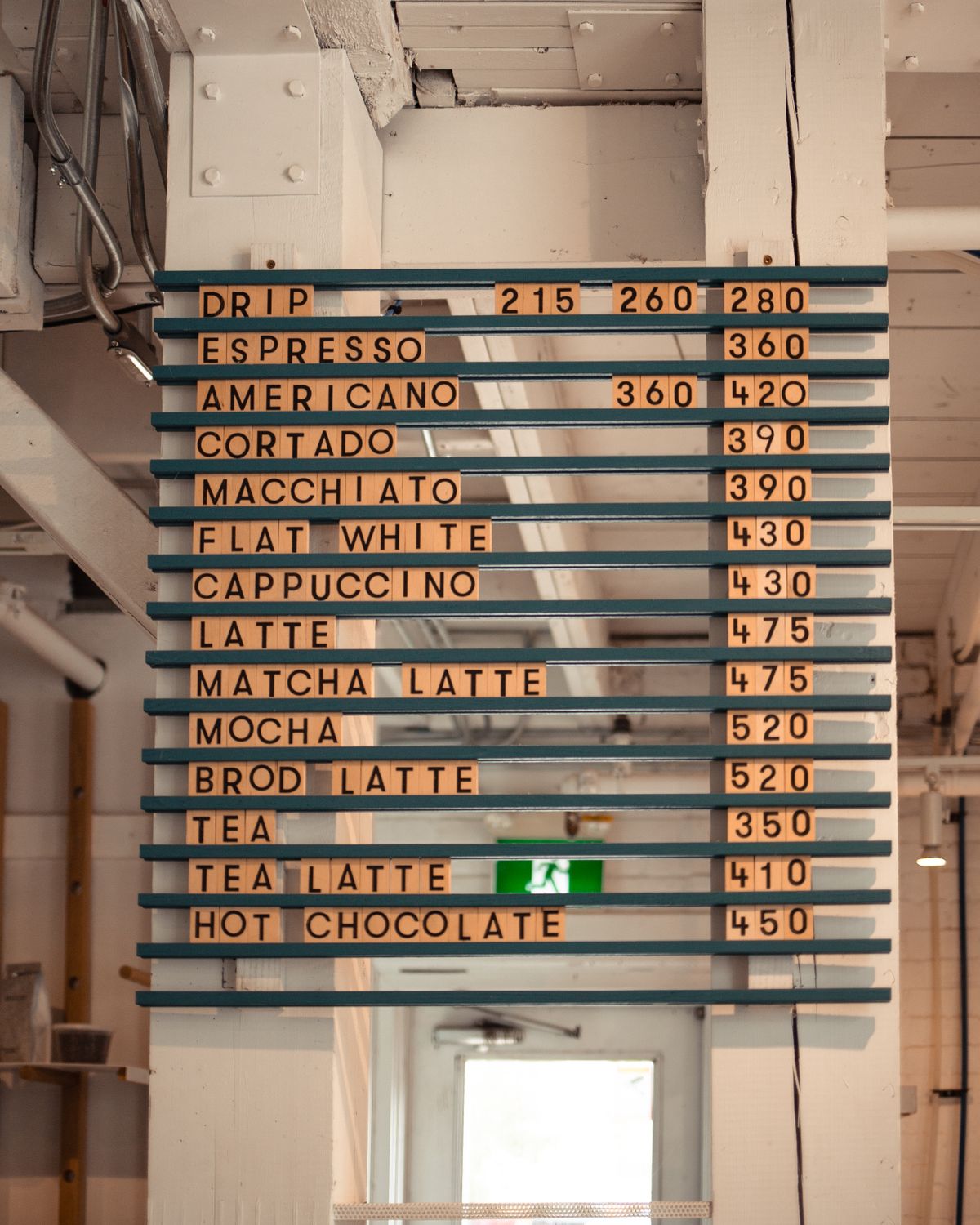
The restaurants that use dynamic pricing well almost never talk about “surge.” They anchor their price at the high number — the dinner-rush, peak-demand price — and then present everything below it as a reward for coming at a better time. You’re not charging more at 8pm; your 8pm price is simply the price, and your 5pm price is a deal. Same numbers, opposite psychology.
That reframing unlocks all the upside without the trust damage:
- Lead with the discount, never the penalty. “Early-bird: 20% off before 6pm” lands beautifully. “Peak surcharge after 6pm” is a headline waiting to happen. Choose your words like your reputation depends on it, because it does.
- Keep your core prices predictable. Regulars need to trust that their usual order costs what it cost last week. Move prices on promotions, set menus, and channels — not on the everyday staples people order without checking.
- Make the trade obvious and fair. People happily pay more for delivery because they understand they’re paying for convenience. Any price difference should map to a reason a guest would nod along with, not a black box that just decided they look like they’ll pay extra today.
- Use it to fill, not to squeeze. The biggest, cleanest win from dynamic pricing is turning dead hours into revenue — off-peak menus, quiet-night specials, slow-season deals. That’s pure upside with almost no downside risk.
Why this is really a technology decision
Here’s the practical catch that decides whether any of this is even possible for you: dynamic pricing only works if you can actually change your prices quickly and by channel — and a printed menu makes that a nightmare. If updating a happy-hour price means reprinting, or if your delivery price is stuck to your dine-in price because they’re the same laminated card, you’re locked out of the whole strategy before you start.
This is why the move toward digital and QR menus matters beyond the novelty. When your menu lives in software, you can run an early-bird price that switches off at 6pm, set a delivery price that’s a few points above dine-in, launch a slow-Tuesday special for one night, and pull it all back — instantly, with no printer involved. The flexibility that makes dynamic pricing safe to experiment with is exactly the flexibility a digital menu gives you for free.
Change prices as fast as demand does
With Lekro’s digital menu, you can run happy-hour prices, off-peak deals, and separate delivery pricing that update instantly — no reprinting, no lock-in. Start free.
So, should you?
Probably — but start from the friendly end of the pool. You don’t need a demand algorithm to benefit from dynamic pricing. You need a slow Tuesday you’d love to fill, a delivery channel that’s quietly eating your margin, and a menu you can change in seconds instead of weeks. Begin with discounts that pull people into your empty hours, frame every price difference as a reward rather than a penalty, and protect the trust of the regulars who keep the lights on.
The restaurants that get burned are the ones who saw “charge more when it’s busy” and stopped reading. The ones who win understood that the same numbers can feel generous or greedy depending entirely on the story you tell around them — and told the generous one.
Tags