Ghost Kitchens Explained: Should Your Restaurant Run One in 2026?
Ghost kitchens let you sell food with no dining room, no waiters, and low overhead. Here's how the delivery-only model actually works, who it's right for, and the trap that quietly kills most of them.
Ghost Kitchens Explained: Should Your Restaurant Run One in 2026?
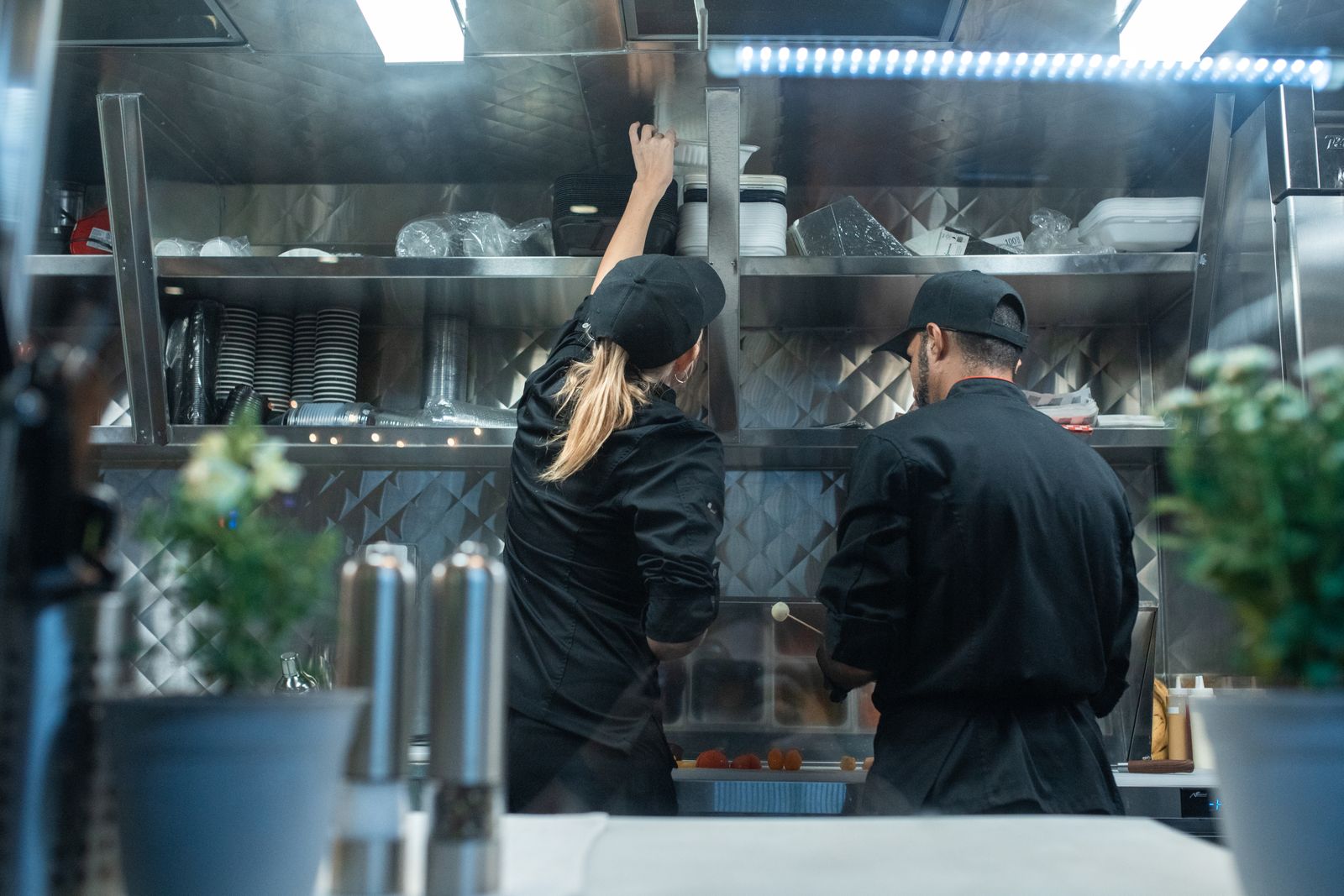
Imagine a restaurant with no dining room, no waiters, no sign on the street, and no one who ever walks in. Just a kitchen, quietly turning out food that exists only on delivery apps and your website. That’s a ghost kitchen — also called a cloud kitchen, dark kitchen, or virtual restaurant — and over the last few years it’s gone from a curiosity to a serious way to run, or expand, a food business.
If you’ve ever looked at your rent and your half-empty dining room on a Tuesday and thought “I make most of my money from delivery anyway,” the ghost kitchen model deserves your attention. But it’s not free money, and the thing that makes it fail is rarely the thing people expect. Let’s break it down.
What a ghost kitchen actually is
At its simplest, a ghost kitchen is a food business built entirely around delivery and pickup, with no dine-in service. You cook, you pack, a courier collects, the customer eats at home. Everything you’d normally spend on a nice dining room, front-of-house staff, and a prime high-street location — you don’t.
It shows up in a few different shapes:
- The delivery-only startup. Someone rents a small commercial kitchen and launches a brand that exists only online. No storefront at all.
- The shared “kitchen hall.” A company rents you one cooking station inside a building full of other ghost kitchens, with shared delivery logistics. You just bring your menu and your staff.
- The virtual brand from an existing restaurant. This is the big one for you. Your current restaurant, with its current kitchen, launches a second delivery-only brand — say your burger place quietly also runs a wings brand out of the same kitchen, at the same time.
That last option is why ghost kitchens matter even if you’ll never give up your dining room.
Why the model is so appealing
The maths is genuinely attractive, especially when a physical restaurant is expensive to run:
- Much lower overhead. No prime location, no dining-room fit-out, no waiters, fewer utilities. Your rent can be a fraction of a customer-facing spot because nobody needs to find it or sit in it.
- You can test ideas cheaply. Want to see if a fried-chicken concept sells in your area? Launch it as a virtual brand from your existing kitchen for almost nothing. If it flops, you close it with a click instead of a lease breakup.
- You sweat the assets you already have. If your kitchen is idle between lunch and dinner, or your dining room only fills on weekends, a delivery brand puts that same equipment and those same staff to work generating a second income stream.
- You go where the demand is. Delivery has become normal, and for a lot of customers it’s the default. A ghost kitchen meets people exactly where they already order.
The trap that kills most ghost kitchens
Here’s the part the hype skips. The ghost kitchen model has one enormous, structural weakness: you don’t own the customer, and you can drown in commissions.
When your entire business lives on third-party delivery apps, three brutal things happen. First, the apps take a large cut of every single order — often 25–35% — straight off the top of already-thin food margins. Second, you have no dining room, no signage, and no walk-by traffic, so those apps are the only way anyone finds you; you’re completely dependent on them. Third, the customer belongs to the app, not to you. You served them a great meal and you don’t even know their name, so you can’t bring them back except by paying the app again to show you to them.
A physical restaurant with a bad delivery deal still has its regulars, its location, and its walk-ins. A ghost kitchen that lives entirely on commissions has none of that cushion. Add up high commissions plus zero customer ownership plus total platform dependence, and a lot of ghost kitchens are busy but quietly unprofitable.
How to run one without getting eaten alive
The model works — but only if you fix that structural weakness deliberately. The whole game is reducing your dependence on the apps and building a direct channel you own.
- Take direct orders on your own website. Every order that comes through your own site instead of a marketplace keeps the commission in your pocket and hands you the customer’s details. This is the difference between a ghost kitchen that scales and one that just spins.
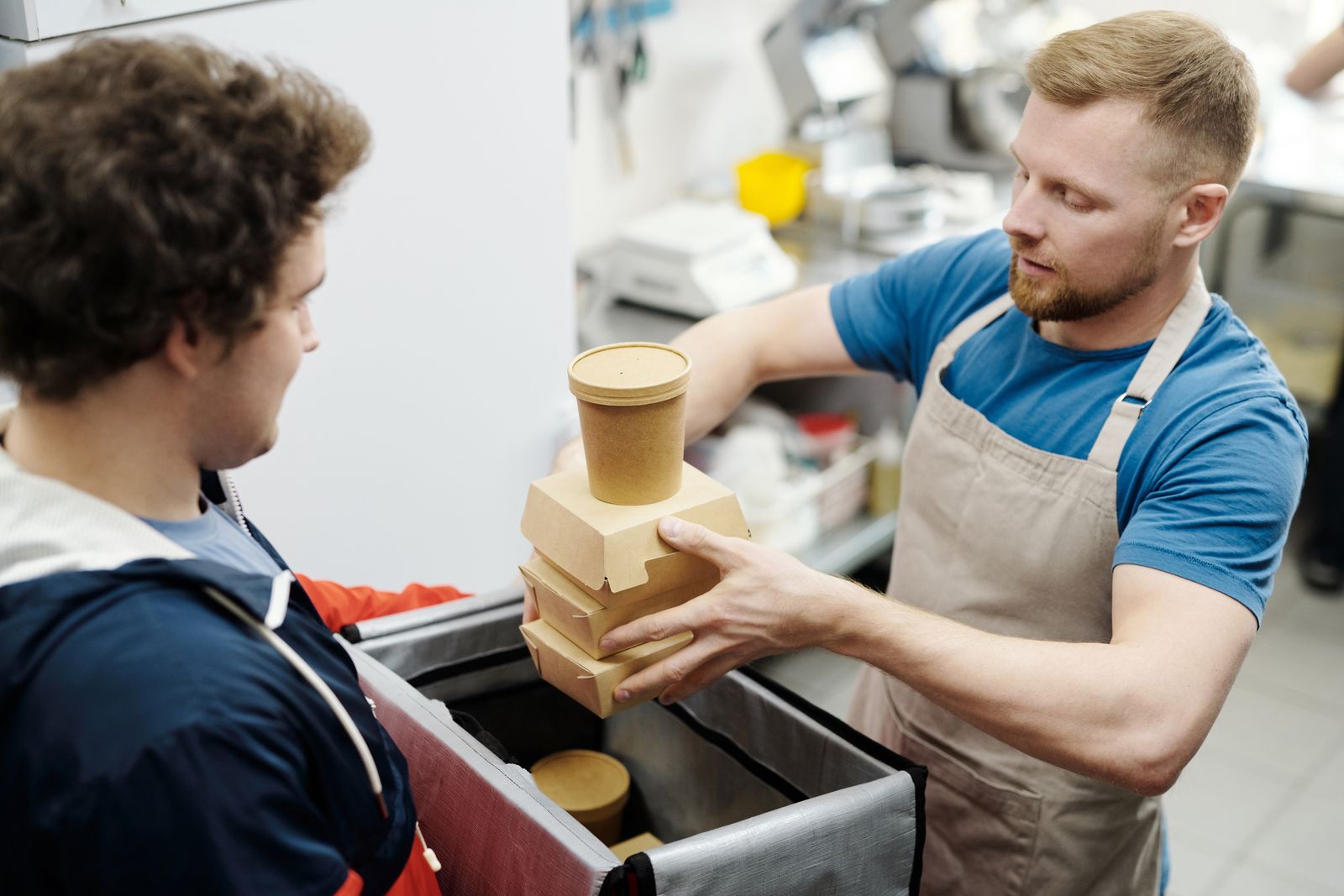
- Turn app customers into direct ones. A small insert in the delivery bag — “Order direct next time and save, plus a free side” — quietly migrates your best customers off the platform and onto your own channel, where they cost you nothing to reach again.
- Build repeat business. Because you have no location to rely on, loyalty is everything. Capture contacts, message your regulars, and give them a reason to come straight to you.
- Nail your online presence. With no storefront, your website and your photos are your restaurant. If they look cheap, you look cheap. Great images and an easy ordering flow are non-negotiable.
Do the apps and the direct channel together: use the marketplaces for discovery, and work hard to move repeat customers to your own site where the economics actually make sense.
Run delivery on your terms, not the app’s
Lekro gives your ghost kitchen or virtual brand its own website with commission-free online ordering — so you keep the margin and own the customer. Start free.
So — should you run one?
If you already have a kitchen with idle hours, launching a virtual brand is one of the lowest-risk ways to grow your revenue in 2026. Start there: spin up a second delivery-only concept from your existing kitchen, list it on the apps for discovery, and push repeat orders to your own website. You’ll learn the model with almost none of the risk.
If you’re starting a ghost kitchen from scratch, go in with your eyes open. The low overhead is real, but so is the commission trap. The operators who win aren’t just good cooks with a delivery app — they’re the ones who treat the apps as a marketing channel and quietly build a direct, commission-free business underneath. Own the customer, and a ghost kitchen becomes a genuinely smart business. Rent them from an app forever, and you’re just working for the platform.
Tags