
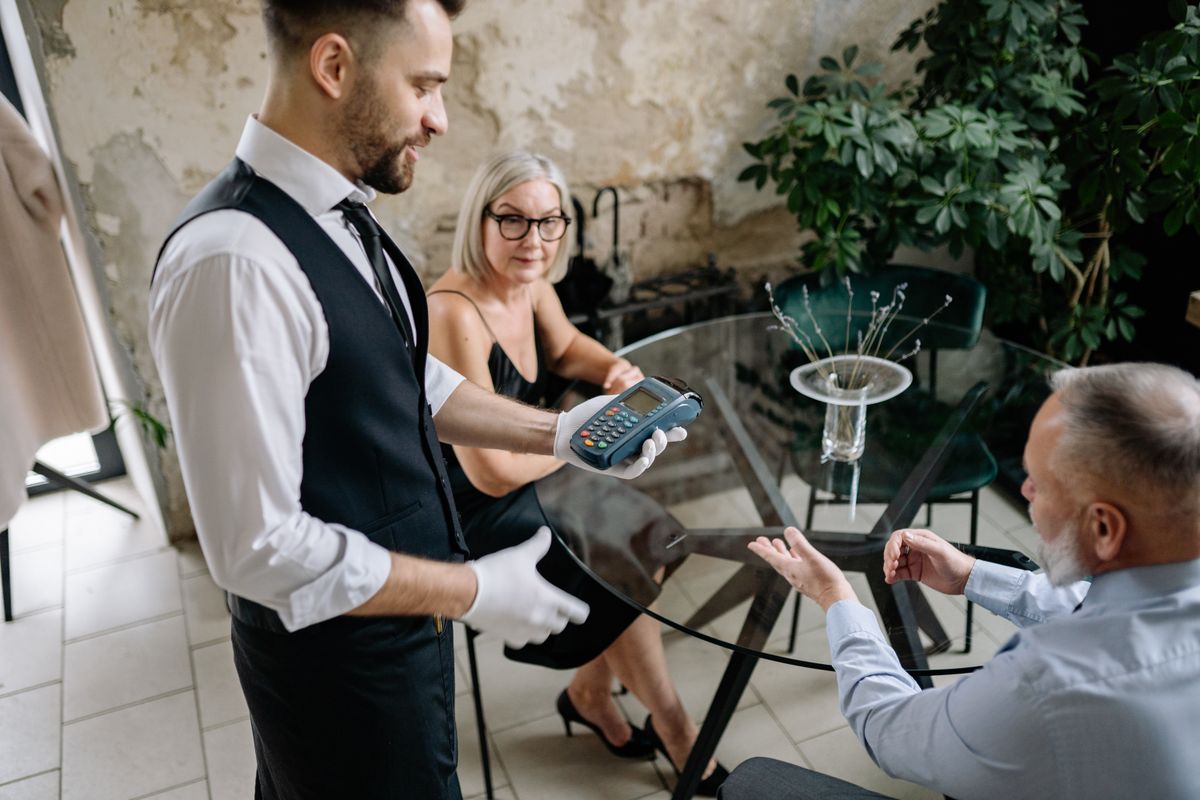
The Tipping Point: How Restaurants Are Rethinking Tips and Service Charges
Tip fatigue, surprise service charges, tablets flipped around asking for 20% — tipping is being rewritten in real time. Here are the models on the table and how to choose one your guests won't resent.
The Tipping Point: How Restaurants Are Rethinking Tips and Service Charges
Tipping is having a moment, and it’s not a comfortable one. A tablet gets spun around at the counter asking you to tip 20% on a coffee you’re carrying out yourself. A service charge quietly appears on a bill you didn’t expect it on. Some restaurants have scrapped tipping altogether and baked service into the price; others lean harder than ever on it. Diners are confused and a little resentful, staff depend on the money, and owners are stuck in the middle trying to figure out what’s fair, what’s expected, and what won’t blow up in their faces.
The old unwritten rules are being rewritten in real time, and there’s no longer a single “normal.” For a restaurant owner, that’s actually an opportunity: the model you choose is now a real decision, not just a default you inherited. But it’s a decision with feelings attached — because nothing on the whole visit is as emotionally loaded as the moment the bill lands.
The models on the table
There are four broad approaches in play right now, and plenty of restaurants blend them:
- Discretionary tipping. The traditional model: the guest leaves what they feel is right. Maximum freedom, maximum inconsistency — and increasingly, maximum awkwardness about what’s “expected.”
- Automatic service charge. A set percentage added to the bill, often for larger groups or across the board. Predictable for staff, but it lives or dies on whether the guest saw it coming.
- Service-included / no-tipping. Menu prices go up, staff are paid more, and no tip is expected. Clean and honest, but it demands nerve, because your prices look higher next to a tipping competitor’s.
- Prompted digital tipping. The screen that suggests 15/20/25% at checkout. Efficient at lifting tips — and the single biggest driver of the backlash, when it shows up where a tip never used to be asked for.
The tensions everyone’s feeling
Underneath the models are a few real frictions that explain why this feels so fraught:
- Tip fatigue is real. When every transaction — the takeaway coffee, the self-service counter — asks for a tip, the goodwill that tipping is supposed to express starts to curdle into irritation. Ask too often and you devalue the ask.
- The guilt prompt breeds resentment. A screen flipped toward a guest with pre-set percentages and a staff member watching feels like pressure, not generosity. People remember being made to feel cheap.
- Fairness is contested. Tips often reach the front of house and never the kitchen, which cooks understandably resent. How tips are pooled and shared — and whether the people who made the food get any — is a live, sometimes bitter, question.
- Surprise is the cardinal sin. More than the amount, guests hate discovering a charge they weren’t told about. A service charge sprung at the end poisons an otherwise good meal faster than almost anything.
What the trend actually is
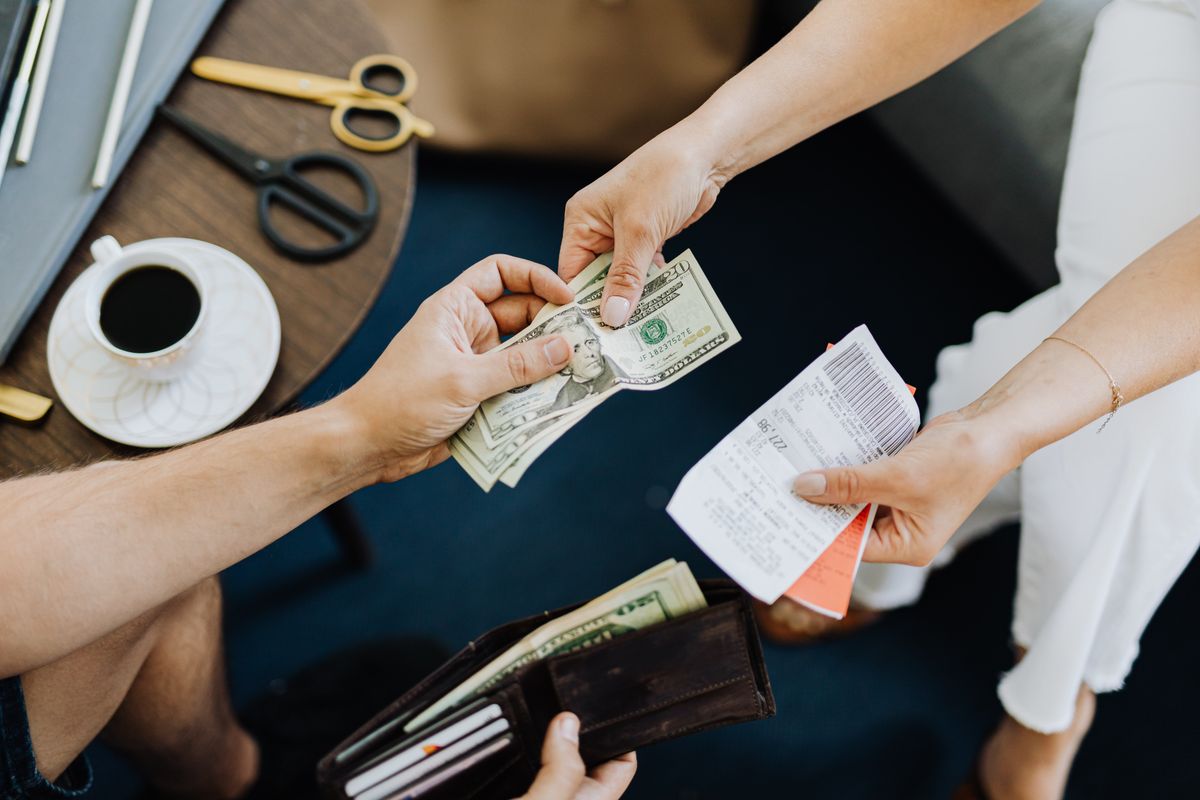
Look past the noise and the real direction is clear: the winning restaurants aren’t the ones with a particular tipping model — they’re the ones who are transparent and consistent about whichever model they chose. Diners, it turns out, don’t actually mind paying for good service. What they mind is being surprised, guilt-tripped, or confused. A service charge printed plainly on the menu and the bill barely raises an eyebrow. The exact same charge, sprung at the end, starts an argument.
So the trend isn’t toward tipping or away from it. It’s toward honesty. Guests are willing to accept almost any fair model as long as they can see it coming and understand where the money goes.
How to choose without alienating anyone
If you’re deciding — or reconsidering — where you stand, a few principles hold regardless of the model:
- Pick a model that fits your market, and commit. A high-end restaurant, a neighborhood café, and a counter-service spot can all land in different places. What matters is choosing deliberately and applying it consistently, not drifting.
- Show it before the bill, not on it. Whatever your policy — discretionary, service charge, service-included — state it clearly on the menu, upfront. The goal is that no guest is ever surprised by what they owe.
- Decide how it’s shared, and be able to explain it. Know whether the kitchen is included, how pooling works, and be ready to answer honestly if a guest asks. “Where does the service charge go?” should have a clear, fair answer.
- If you use digital prompts, keep them tasteful. Reasonable suggested amounts, an easy and un-shamed way to tip nothing, and no hovering. A prompt that pressures people costs you more goodwill than it earns in tips.
- Make the bill legible and honest. Every line clear, nothing hidden, the total obvious. The bill is the last thing a guest experiences — it’s worth getting right.
Why this is partly a technology decision
Handling all of this well is much easier when your ordering and payment run through a clean digital system rather than a scrawled paper bill and a cash tin. Modern digital ordering and payment let you show a service charge transparently as a clear line, let guests add a tip easily — or decline it without friction or embarrassment — and record it all so sharing is accurate and defensible. A confusing paper bill and an all-cash tip jar hide exactly the transparency guests are now demanding. The move toward clear, itemized, honest bills is the same move toward digital that’s reshaping everything else about how restaurants take money.
Make the bill clear and the tip easy
Lekro’s digital ordering and payment show charges transparently and let guests tip effortlessly — no surprises, no awkward screens. Start free.
The honest bottom line
Whether you tip, charge, or include service in the price matters far less than whether your guests understood it before the bill arrived. The restaurants getting burned right now are the ones springing surprises and flipping guilt-screens; the ones winning are simply being upfront about a fair policy and letting people decide. Pick your model, show it plainly, share the money fairly, and make the moment of paying feel honest. Get that right, and the most fraught minute of the meal becomes just another part of good hospitality.
Tags