Order at the Table, Pay on Your Phone: The Self-Service Shift in Restaurants
From QR code ordering to self-serve kiosks, more restaurants are letting guests order and pay themselves. Here's what's driving the self-service shift, where it works, and how small restaurants can use it without losing the human touch.
Order at the Table, Pay on Your Phone: The Self-Service Shift in Restaurants
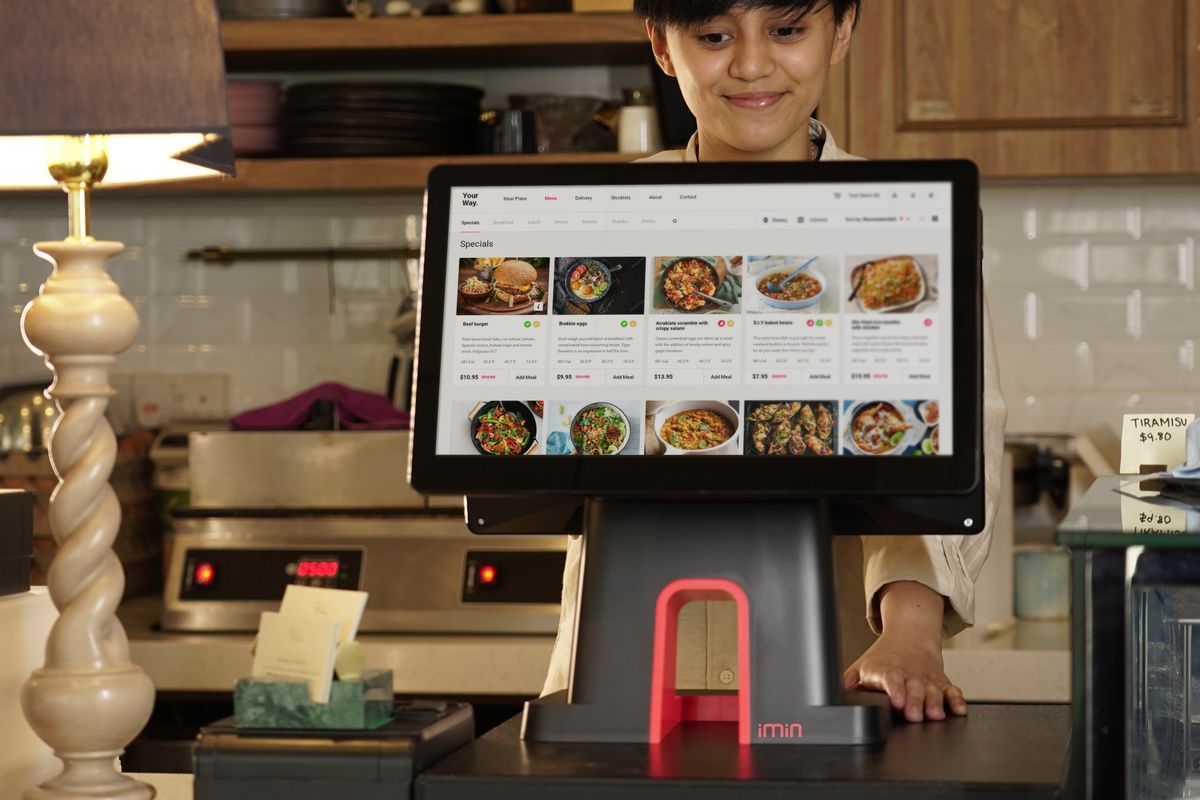
Something has quietly changed about how people expect to order. Walk into a fast-casual spot and you’ll likely order from a screen. Sit down at a growing number of cafés and bars and there’s a QR code on the table that lets you order and pay without ever flagging down a server. What started as a contactless necessity has settled into something bigger: a genuine shift toward letting guests serve themselves — and, crucially, guests increasingly preferring it.
This isn’t about replacing hospitality with vending machines. It’s about handing the transactional parts of a meal — placing the order, adding a drink, splitting the bill, paying — to the guest’s own phone or a kiosk, so your team can spend their time on the parts that actually need a human. Understanding why it’s happening, and where it fits, matters for any restaurant deciding how much of it to adopt.
Why self-service is spreading
A few forces are pushing in the same direction at once, which is usually how a “trend” becomes a “standard.”
The first is staffing. Good staff are hard to find and expensive to keep, and every minute a server spends punching in an order or running a card is a minute not spent reading the room, recommending a dish, or turning a table. Self-service doesn’t eliminate the server; it frees them from the mechanical bits so a smaller team can cover more tables well.
The second is speed and spend. When guests can order the moment they’re ready — instead of waiting to catch someone’s eye — orders come in faster and, interestingly, tend to be bigger. A screen never forgets to suggest a side, never rushes you, and never makes you feel judged for ordering a third round or an extra dessert. Digital ordering quietly lifts the average check for exactly those reasons.
The third is simply expectation. A whole generation of diners now finds it more comfortable to tap through a menu than to summon a stranger. For them, self-service isn’t a downgrade — it’s the smoother option, and a place that offers it feels current.
Where it works — and where it doesn’t
Self-service isn’t all-or-nothing, and the restaurants using it well are picky about where they apply it.
It shines in high-volume, fast-turnover settings — the busy lunch café, the bar with a packed patio, the casual spot where people just want their food without a fuss. It’s brilliant for the annoying moments in any restaurant: ordering another round when the server’s slammed, or splitting and paying the bill at the end without the long wait for the card machine to make its rounds.
It’s a worse fit where the service itself is the product — fine dining, a tasting menu, anywhere the server’s guidance and presence is a core part of what guests are paying for. Even then, the smart move is often hybrid: keep the human service that matters, but let guests pay by phone at the end so nobody’s stuck waving for the bill. The goal isn’t to remove people; it’s to remove friction.
How a small restaurant can adopt it without losing warmth
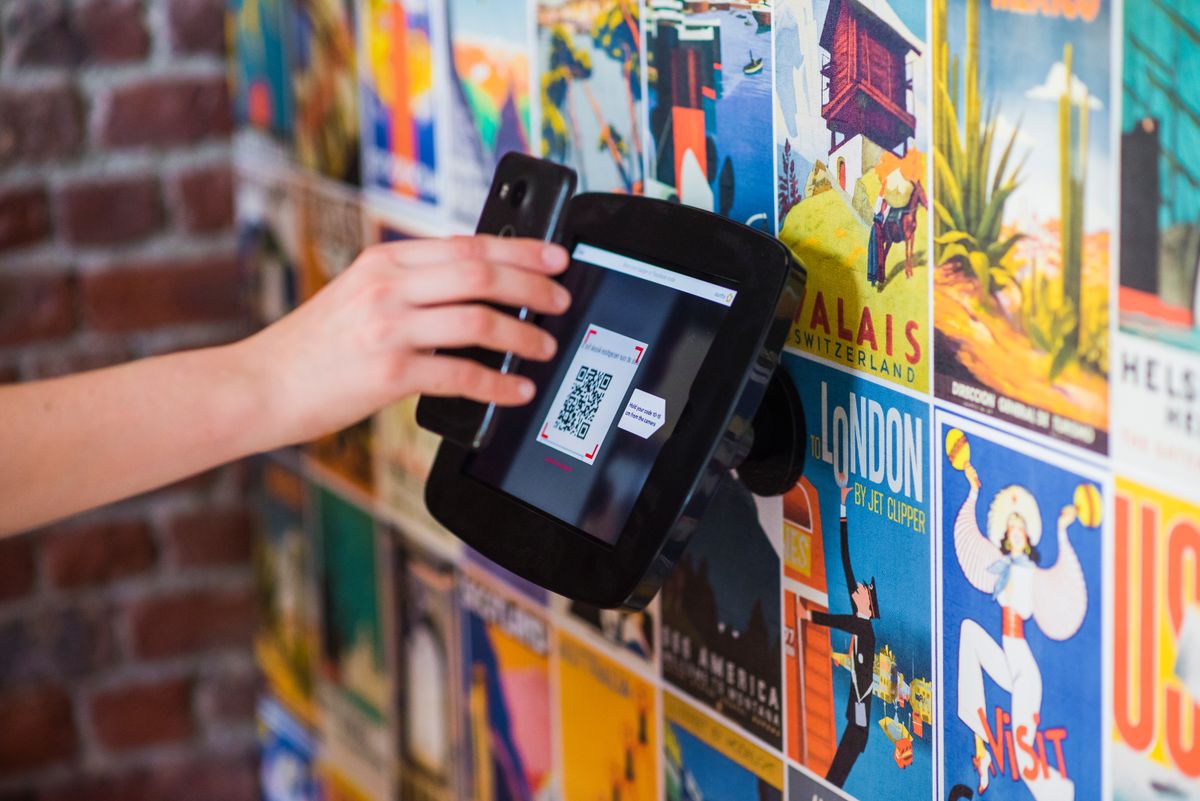
You don’t need a chain’s budget or a wall of kiosks to offer self-service. For most independent restaurants, the phone in every guest’s pocket is the kiosk. A QR code on the table that opens your menu and lets people order and pay is the entire setup — no hardware, no new counter, no big install.
The trick is to treat it as another option, not a replacement for hospitality. A few principles keep it warm:
- Let it handle the transaction, not the welcome. Greet people, seat them, check in — then let the phone take the order and the payment when they’re ready. The human moments stay human.
- Make the digital part genuinely good. A clunky, slow, ugly ordering page is worse than a paper menu. It has to be fast, mobile-first, and easy, or self-service becomes self-frustration.
- Keep the door open for help. Some guests will always prefer to order from a person, and that’s fine. Offer the QR option; never force it.
- Own the channel. When guests order through your own QR system, you keep the relationship, the data, and the full price of the sale — unlike routing them through a commission-charging third party. Self-service on your own site is one of the cleanest ways to grow margin.
Turn every table into a self-service point
Lekro gives you QR code ordering and payments guests can use right from their phone — no kiosks, no commissions, just faster orders and bigger checks. Start free.
The self-service shift isn’t coming for hospitality — it’s coming for the tedious parts of it. The restaurants that win with it aren’t the ones that strip out the humans; they’re the ones that use it to give their people more time for the humans, while orders come in faster and checks run higher. Start small, keep it warm, put it on your own channel, and let your guests order the way a growing number of them already want to.
Tags