How to Stop Reservation No-Shows From Killing Your Revenue
An empty reserved table on a busy night is pure lost money. Here's how restaurants cut no-shows for good — with reminders, deposits, easy cancellations, and a booking system that does the work for you.
How to Stop Reservation No-Shows From Killing Your Revenue
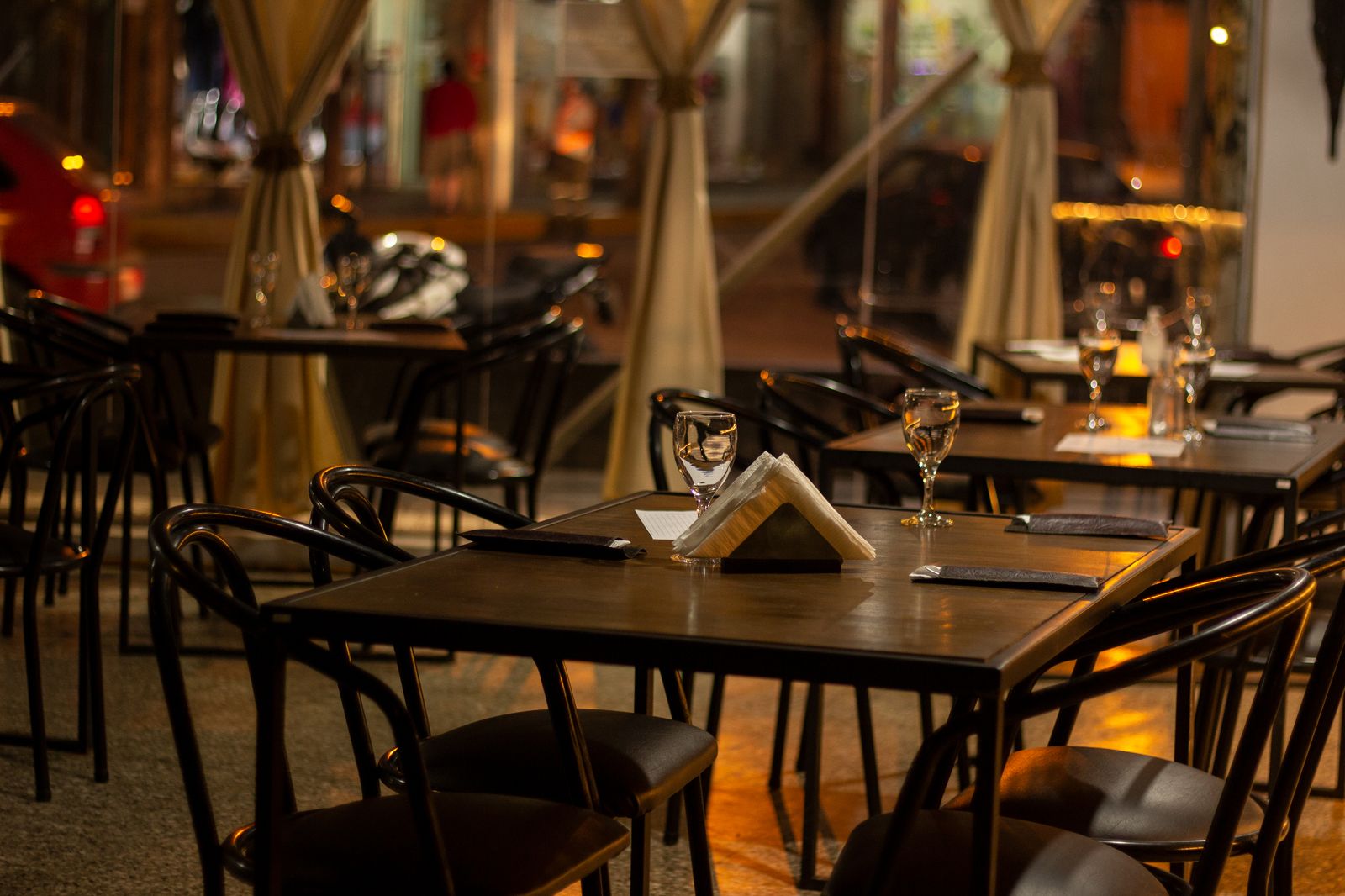
It’s a Saturday night. You’re fully booked, you turned people away, and there it is: a table for four with a “Reserved” card on it, sitting empty at 8:30. They’re not coming. They’re not calling. And that table — on your busiest, most profitable night — just earned you nothing.
No-shows feel like bad luck, but they’re actually one of the most fixable problems in your restaurant. A party that doesn’t turn up doesn’t just cost you their bill; it costs you the walk-ins you refused, the food you may have prepped, and the staff you scheduled. On a busy night, a handful of no-shows can quietly erase your profit for the whole shift. The good news: with a few simple systems, you can cut them dramatically.
Understand why people ghost you
Most no-shows aren’t malicious. People are busy, plans change, and a reservation they made a week ago on a whim slips their mind entirely. A few specific things make it worse:
- It was too easy and too forgettable. They booked in ten seconds and never got a reminder, so it never re-entered their brain.
- Cancelling felt like a hassle. If the only way to cancel is to phone during service and feel awkward about it, many people just… don’t. A no-show is the path of least resistance.
- There was zero commitment. A free reservation with nothing at stake is a maybe, not a plan. Nothing about it says “a real table is being held for you.”
Once you see it this way, the fixes become obvious. You’re not fighting bad people — you’re removing friction and adding gentle accountability.
Send reminders — this alone fixes most of it
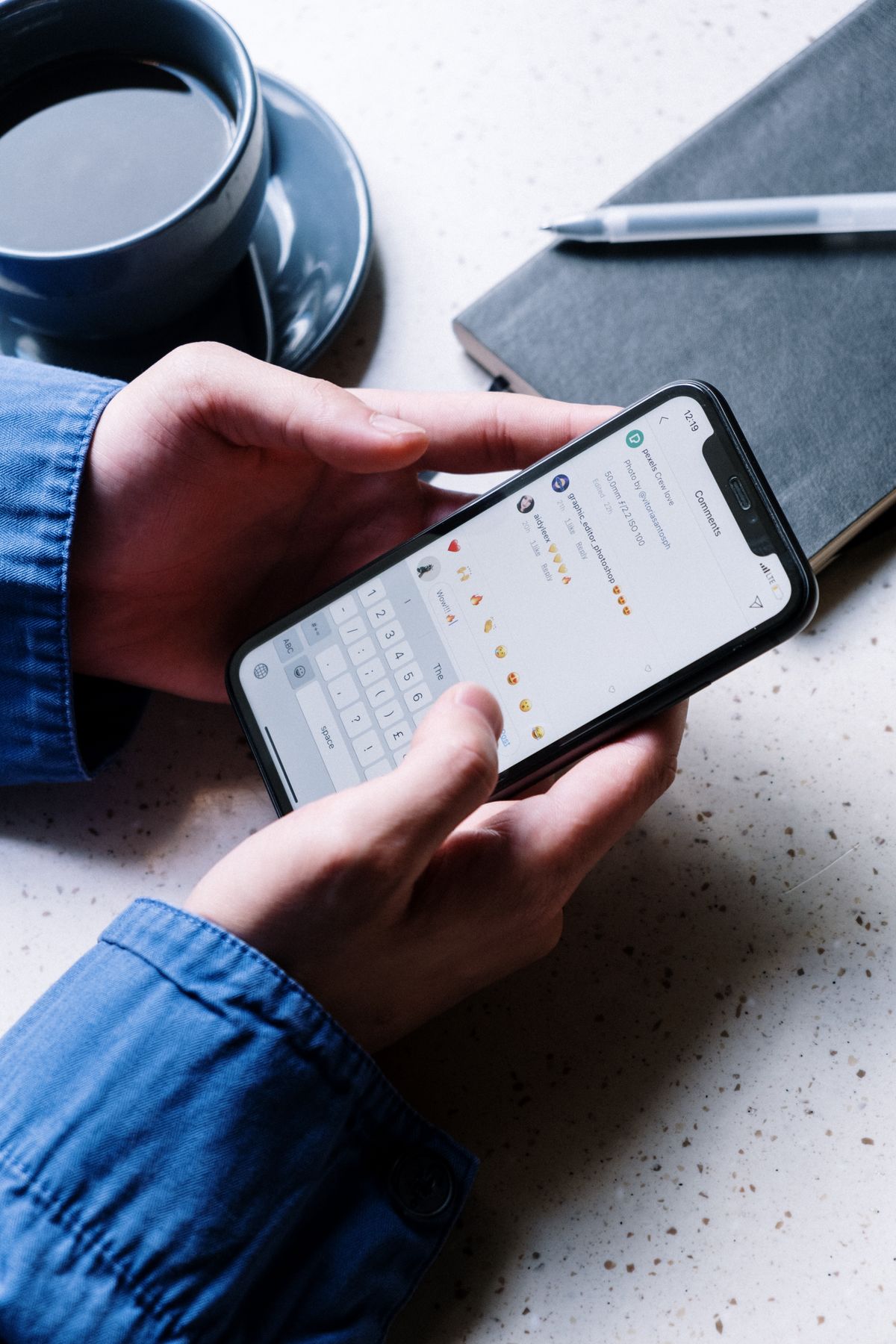
If you do only one thing from this article, do this. The single most effective anti-no-show tool is a simple, automatic reminder. A friendly message the day before and again a few hours ahead pulls the booking back into the person’s mind at the moment they can still act on it.
- Confirm at booking. An instant “You’re booked! Table for 4, Saturday 8pm — see you then” makes it feel real from the start.
- Remind the day before. “Looking forward to seeing you tomorrow at 8. Can’t make it? Tap here to cancel or change.” One tap to bail out sounds counterintuitive, but it’s exactly what you want — a freed-up table you can re-sell beats a silent no-show every time.
- Nudge a few hours before. A final short reminder on the day catches the plan that changed since yesterday.
Do this by SMS, WhatsApp, or email — wherever your guests actually read messages. A booking system that sends these automatically means you get the benefit without anyone on your team remembering to do it.
Make cancelling as easy as booking
This sounds backwards — why make it easy to cancel? Because the alternative isn’t “they show up.” The alternative is they don’t show up and don’t tell you, so you can’t re-sell the table. A one-tap “can’t make it” link in every confirmation and reminder turns a silent no-show into an open table you can fill. Always give people a graceful exit; you’ll get far more of your tables back.
Use deposits and cards for the bookings that matter
For high-demand slots — Saturday nights, big groups, holidays, tasting menus — a little skin in the game changes everything. You don’t need to charge everyone for every table. Be strategic:
- Take a card to hold the booking. No charge unless they no-show. Just knowing a card is on file makes people either turn up or cancel properly. This alone dramatically reduces no-shows on your key slots.
- Ask for a small deposit on large parties. A modest per-head deposit that comes straight off the final bill is completely reasonable for a table of ten on a Friday. It costs the honest guest nothing and filters out the flaky booking.
- Publish a clear, fair policy. State it at the time of booking: “Groups of 8+ require a deposit,” or “No-shows may be charged X.” Fairness and clarity keep it from feeling hostile — and it signals that your tables are in demand.
The point isn’t to punish people. It’s to convert a casual “maybe” into a genuine commitment for the bookings you can least afford to lose.
Turn your best customers into reliable ones
The guests least likely to ghost you are the ones who feel a relationship with your restaurant. When you own your bookings — rather than renting them from a third-party platform — you know who your regulars are and can treat them accordingly. A warm confirmation, remembering a name, a note that they always sit by the window: people don’t flake on a place where they feel known. Every direct booking is also a customer you can reach again, which quietly turns first-timers into regulars who show up reliably.
Let your booking system stop no-shows for you
Lekro takes reservations on your own website and sends automatic confirmations and reminders — so tables get filled, not forgotten. Start free.
Your first move
Pick your single most valuable service — probably weekend dinner — and put one thing in place this week: an automatic reminder the day before with an easy one-tap way to cancel. That change alone will win back tables you’re currently losing in silence.
No-shows will never hit zero, and that’s fine. But they should never be something you just accept as the cost of doing business. A reminder, an easy exit, and a card on file for your busiest nights will turn most of those empty reserved tables back into paying guests — which is exactly where your profit was hiding all along.
Tags