
Restaurant Inventory Management: Stop the Money Leaking Out of Your Storeroom
Your walk-in and storeroom are where profit quietly disappears — over-ordered, spoiled, over-portioned, or walked out the back. Here's how to actually manage inventory instead of eyeballing it.
Restaurant Inventory Management: Stop the Money Leaking Out of Your Storeroom
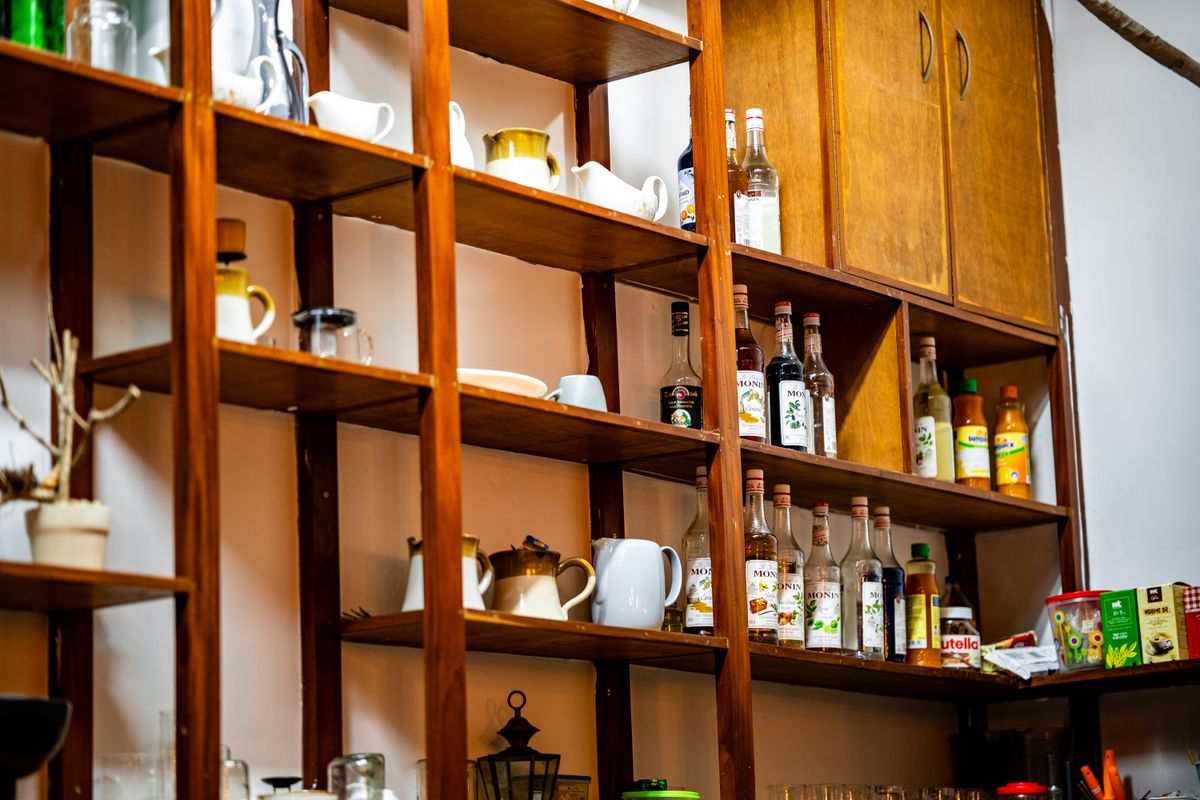
Walk into most independent restaurants’ storerooms and you’re looking at the least-watched pile of money in the building. Food that was bought and never used. Cases over-ordered “just in case” that quietly went off. Portions that crept a little heavier than the recipe. The odd thing that walked out the back door. None of it shows up as a dramatic loss — it just leaks, a few dirhams at a time, every single day, until the month closes and the profit that should have been there somehow isn’t.
Most owners “manage” inventory by glancing at the shelves and ordering when something looks low. That eyeball method feels efficient and costs a fortune, because it can’t see the gap between what you bought and what you actually sold. Closing that gap is some of the least glamorous and most reliable profit in the whole business. Here’s how it’s actually done.
Why this is really about food cost
Inventory management is the hidden half of food cost. You can cost every recipe perfectly and still bleed money, because the recipe card assumes the kitchen used exactly what it should have. Inventory is where you find out whether it did. If your dishes should have consumed a certain amount of stock but your shelves say you actually got through much more, that difference is pure, unaccounted loss — and you can only see it if you’re counting.
In other words: recipe costing tells you what a dish should cost. Inventory tells you what your kitchen actually spent. The gap between them is where the money goes, and you can’t manage a gap you never measure.
The core ideas, in plain terms
You don’t need software or an accounting degree to run inventory well — you need a handful of concepts applied consistently:
- Take inventory on a schedule. Physically count what’s on the shelves, regularly — weekly for high-value and perishable items at minimum. Counting isn’t busywork; it’s the only way to know your real position rather than your imagined one.
- Set par levels. For each key item, decide the minimum amount you need on hand to comfortably reach your next delivery. Then order up to par instead of by gut. Par levels stop both disasters at once: running out mid-service, and over-ordering a mountain of stock that spoils.
- Rotate with FIFO — first in, first out. Use older stock before newer, and label and date everything so you can. Most spoilage isn’t bad luck; it’s good product hiding behind newer product until it dies.
- Track your variance. Compare what you should have used (based on what you sold) against what you actually used (based on your counts). That gap is your waste, over-portioning, and shrinkage, made visible. Chase it and you’ll find real money.
- Order to your forecast, not your fear. Over-ordering “to be safe” is one of the quietest profit-killers there is. Every extra case you didn’t need is cash tied up and, often, product headed for the bin.
The routine that makes it work
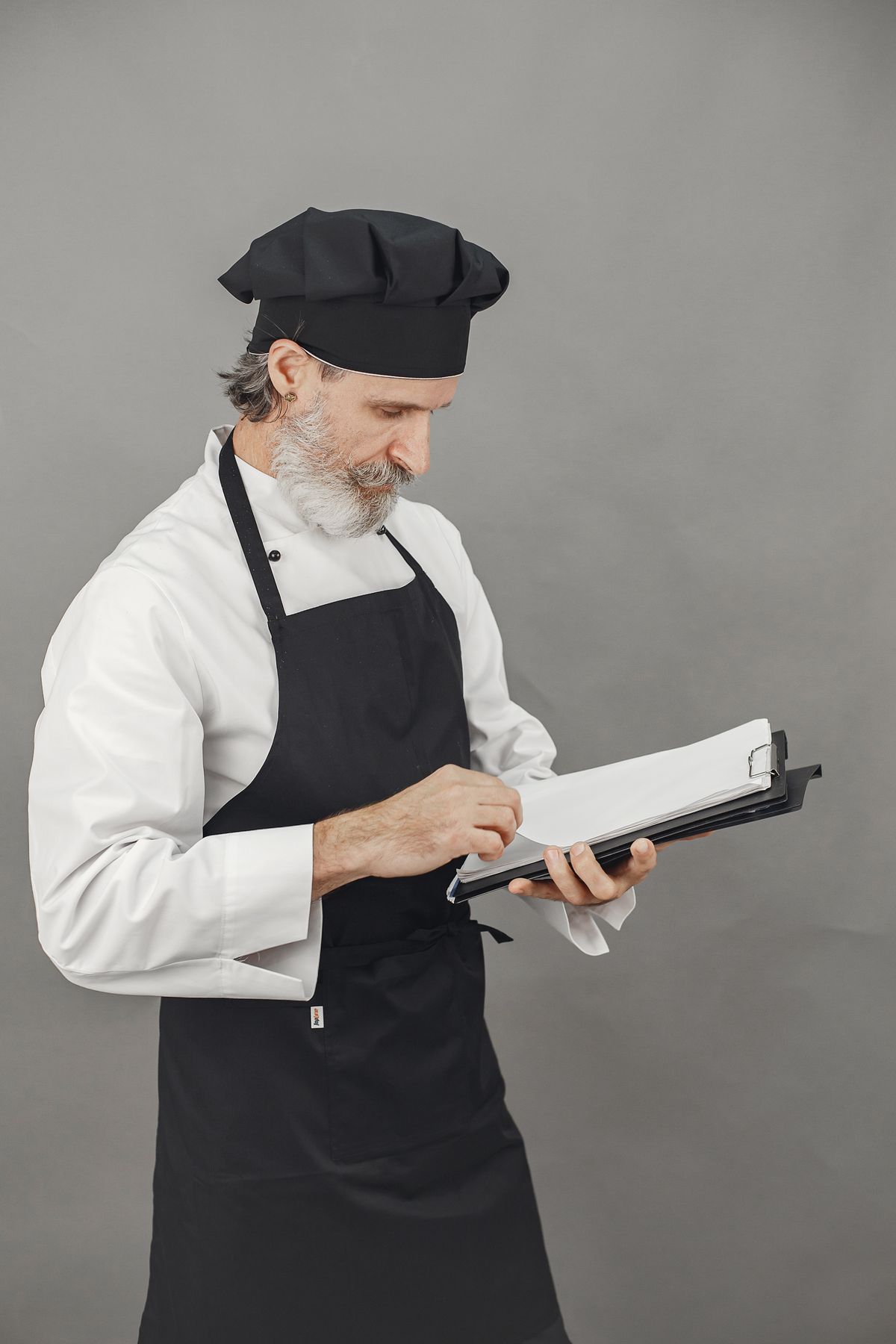
Turn those ideas into a simple, repeatable rhythm and the leaks close on their own:
- Organize storage so you can see and count it. A chaotic store room hides waste; an organized one exposes it. If you can’t see what you have at a glance, you can’t control it — and you’ll re-buy things you already own.
- Count consistently. Same day, same time, ideally the same person, using the same list. Consistency is what turns counts into trends you can actually read.
- Receive deliveries properly. Check every delivery against the invoice before you sign — right quantities, right prices, nothing short or spoiled. Restaurants get overcharged and short-delivered far more often than owners realize, and the receiving dock is where you catch it.
- Run your variance monthly and act on it. A number you calculate and ignore is worthless. When the gap between should-have-used and did-use jumps, go find the cause — a heavy-handed portion, a spoilage problem, a supplier price creep — and fix it.
Where the storeroom meets the dining room
Inventory isn’t only a back-of-house discipline — it reaches all the way to the guest, in two ways worth building around.
The first is running out mid-service. When a dish is 86’d, the guest should never discover it by ordering the thing that isn’t there. That interaction — the apology, the re-choosing, the small letdown — is the front-of-house face of an inventory miss. If your menu is digital, you can mark an item unavailable the instant it runs out and it disappears from what guests see and order, so you’re never selling something you can’t make.
The second is knowing what to stock in the first place. Your best demand forecast isn’t a gut feeling about how busy Friday will be — it’s your own sales history. When you can see what actually sells, and when, you order to real demand instead of to the fear of running out. That’s the difference between a walk-in that turns over cleanly and one full of “just in case” stock slowly going to waste.
Stock to real demand, sell only what you have
Lekro shows you what actually sells and lets you mark any item unavailable the moment it runs out — so you order smarter and never disappoint a guest with an ‘out of stock.’ Start free.
The unglamorous truth
Nobody opened a restaurant because they love counting cases in a cold room. But inventory management is where a surprising share of your profit is won or lost, quietly, away from the dining room and the reviews. Organize your storage, set your pars, count on a schedule, receive with your eyes open, and watch your variance. Do that, and the money that used to leak out of the storeroom stays where it belongs — in your business.
Tags