
WhatsApp for Restaurants: How to Take Orders, Send Updates, and Keep Customers Coming Back
Your customers already live on WhatsApp — most restaurants just don't use it well. Here's how to turn WhatsApp into an ordering channel, a booking-confirmation tool, and a direct line to your regulars, without being spammy.
WhatsApp for Restaurants: How to Take Orders, Send Updates, and Keep Customers Coming Back
Think about where your customers actually spend their day. Not on your website. Not refreshing their email. They’re on WhatsApp — checking it dozens of times a day, replying within minutes, treating it as the default way they talk to everyone that matters. In much of the world, and across the Middle East especially, WhatsApp isn’t a messaging app; it’s the way people communicate.
And here’s the gap: most restaurants either ignore it completely or use it badly — a personal number that one stressed manager checks between rushes, missed messages, no structure. Used properly, WhatsApp is one of the most direct, highest-response channels a restaurant can have. A message there gets opened almost every time, usually within minutes — numbers email marketing can only dream of.
Let’s look at how to actually use it well.
Why WhatsApp beats the alternatives
- It gets read. Open rates on WhatsApp messages dwarf email. When you send something, people actually see it — fast.
- It’s where trust already lives. People are comfortable on WhatsApp. There’s no app to download, no account to make, no unfamiliar checkout. It’s the platform they already use with family.
- It’s a two-way conversation. Unlike a broadcast, customers can reply, ask a question, tweak an order. That back-and-forth feels personal and human — exactly what hospitality should feel like.
What restaurants can actually use it for
WhatsApp isn’t just one thing — it can quietly handle a big chunk of your customer communication:
- Taking orders. For many small restaurants and cafés, WhatsApp is the ordering system. A customer messages, you confirm, they pay on pickup or via a link. Simple and familiar.
- Order confirmations and updates. “We’ve got your order! It’ll be ready at 7:15.” “Your delivery is on the way.” These little updates reduce anxiety and the number of “where’s my food?” calls.
- Booking confirmations and reminders. Send a reservation confirmation and a reminder the day before — the single most effective way to cut no-shows.
- Answering questions. “Do you have vegan options?” “Are you open on the holiday?” Quick replies keep would-be customers from drifting to a competitor who answered faster.
- Bringing people back. With permission, a short broadcast about a new dish or a weekend special lands directly in the pocket of someone who already loves you.
- Collecting reviews. A thank-you message after a meal, with a one-tap link to leave a review, catches guests while they’re still happy.
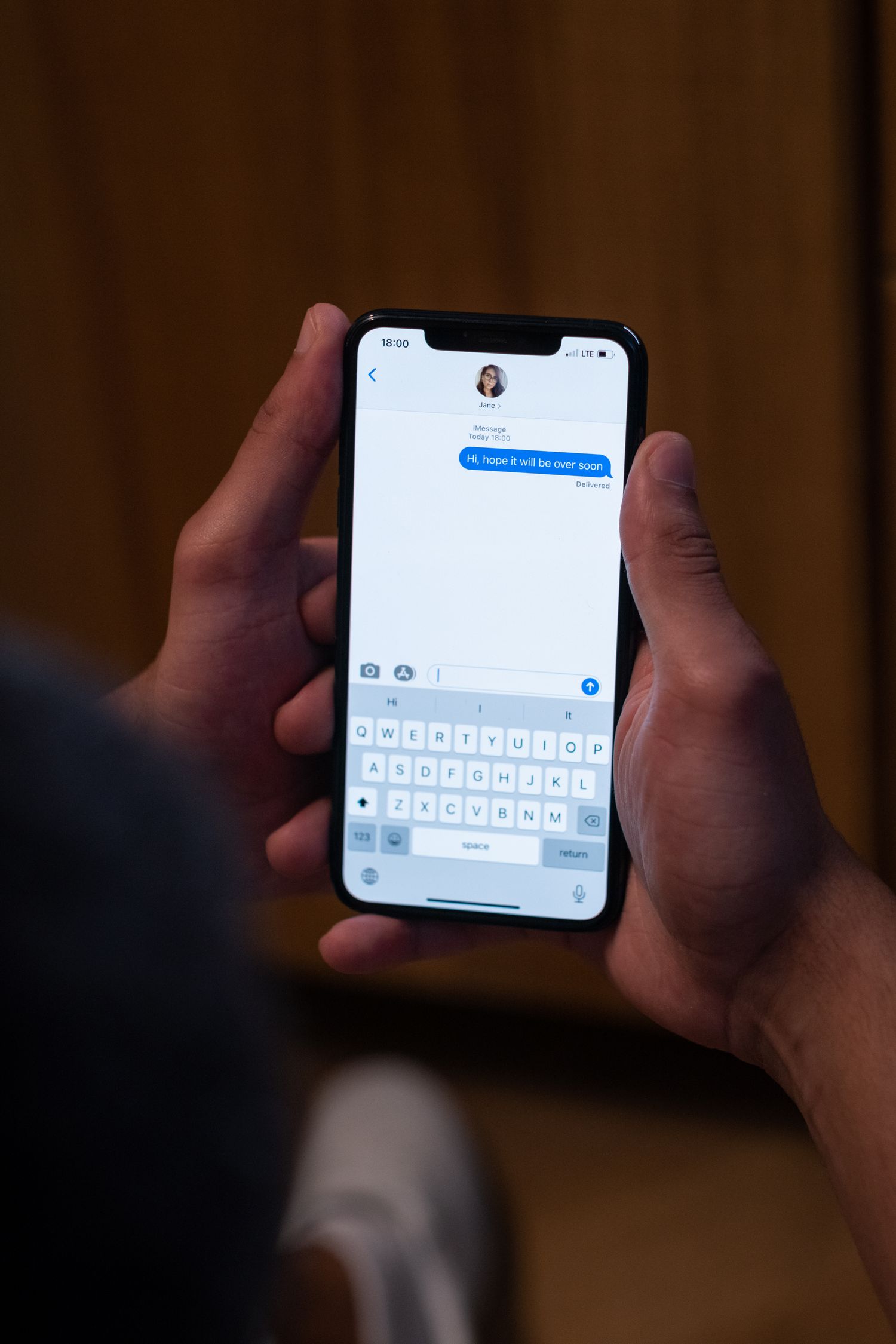
Use WhatsApp Business, not your personal number
If you’re running restaurant chat off a personal account, upgrade. The free WhatsApp Business app is built for exactly this and gives you tools a personal number can’t:
- A business profile with your address, hours, website, and menu link.
- A product catalogue, so customers can browse items right inside the chat.
- Quick replies — saved answers to your most common questions, sent with a tap.
- Greeting and away messages, so nobody is left on read when the kitchen’s slammed.
- Labels to organise chats (“new order,” “paid,” “regular”).
As you grow, the WhatsApp Business Platform (the API) lets you automate confirmations, reminders, and broadcasts at scale and plug WhatsApp into your ordering and booking system — so the right message goes out automatically without anyone typing it.
The golden rule: get permission, and be useful
WhatsApp works because it’s personal. Abuse that, and you’ll get blocked and reported fast. So play it straight:
- Only message people who opted in. Someone ordering or booking is fine; scraping numbers and blasting strangers is not — it’s the fastest way to get your number banned.
- Send value, not noise. A genuinely useful update or a real offer is welcome. Daily “come eat here!” spam is not. When in doubt, send less.
- Make it easy to opt out. Respect it instantly when someone does. A short, trusted list beats a big, annoyed one.
Tie it into everything else
WhatsApp is at its best when it’s not a separate island. When your website, ordering, and reservations all connect to it, magic happens automatically: a guest books a table and gets a WhatsApp confirmation; an order comes in and they get a “it’s ready” ping; a reservation reminder goes out the day before — all without your team lifting a finger.
Meet your customers where they already are
Lekro connects your menu, ordering, and reservations to the channels your customers actually use — so confirmations, reminders, and updates reach them automatically. Start free.
Start small this week
You don’t need the full setup to begin. Download WhatsApp Business, fill in your profile, add your menu link, and set up three or four quick replies for your most common questions. Then start sending booking and order confirmations. That alone will make you feel more responsive and professional to every customer who messages you — and it’s the foundation everything else builds on.
Your customers are already on WhatsApp, waiting to hear from you. All you have to do is show up well.
Tags