
Add a Daypart: Growing Revenue Without a Bigger Room
Your rent is the same at 9am as it is at 9pm. Opening a new daypart — breakfast, brunch, late night — is how you sell more without moving, expanding, or raising prices. Here's how to judge whether it's worth it.
Add a Daypart: Growing Revenue Without a Bigger Room
Most restaurant growth plans assume you need more: more seats, more locations, more marketing spend. But look at your own week honestly and you’ll find something cheaper sitting right there. Your dining room is dark for a big chunk of every day, and it costs you money the whole time. Rent doesn’t pause between 3pm and 6pm. Neither does insurance, or the loan, or the standing charge on the electricity meter.
A daypart is just a chunk of the clock you serve: breakfast, lunch, the afternoon lull, dinner, late night. Adding one means opening hours you currently don’t, with a menu built for that hour. It’s the closest thing in this business to finding revenue you already paid for — but only if you go in with clear eyes, because a badly chosen daypart burns your team and your cash at the same time.
Start with the hours you’re already paying for
Before the fun part, do the boring part. Sketch out an actual week — days across the top, hours down the side — and mark when you’re open and when you’re actually making money. Two things usually jump out.
The first is dead open hours. You’re staffed and lit from 12 to 11, but 3pm to 5:30pm brings in almost nothing. That’s not a new daypart; that’s an existing one that isn’t working, and it’s often fixable by cutting the hours or by changing what you sell in them.
The second is the closed hours near your busy ones. A dinner place that’s dark until 5pm is sitting on the whole morning. A café that shuts at 4pm is handing the entire evening to the bar down the road. Those closed blocks are your candidates.
Now ask the question that matters: is there demand in that block, or just empty time? Empty time is not an opportunity. A quiet residential street at 7am has no breakfast trade to win, no matter how good your croissants are. Look at who is physically near you at that hour — offices, a school run, a hospital shift change, a gym, a cinema letting out at 11pm, a bus stop, a market. Walk the street at the hour you’re thinking about opening. If nobody is out there, you have your answer for free.
The three dayparts most independents miss
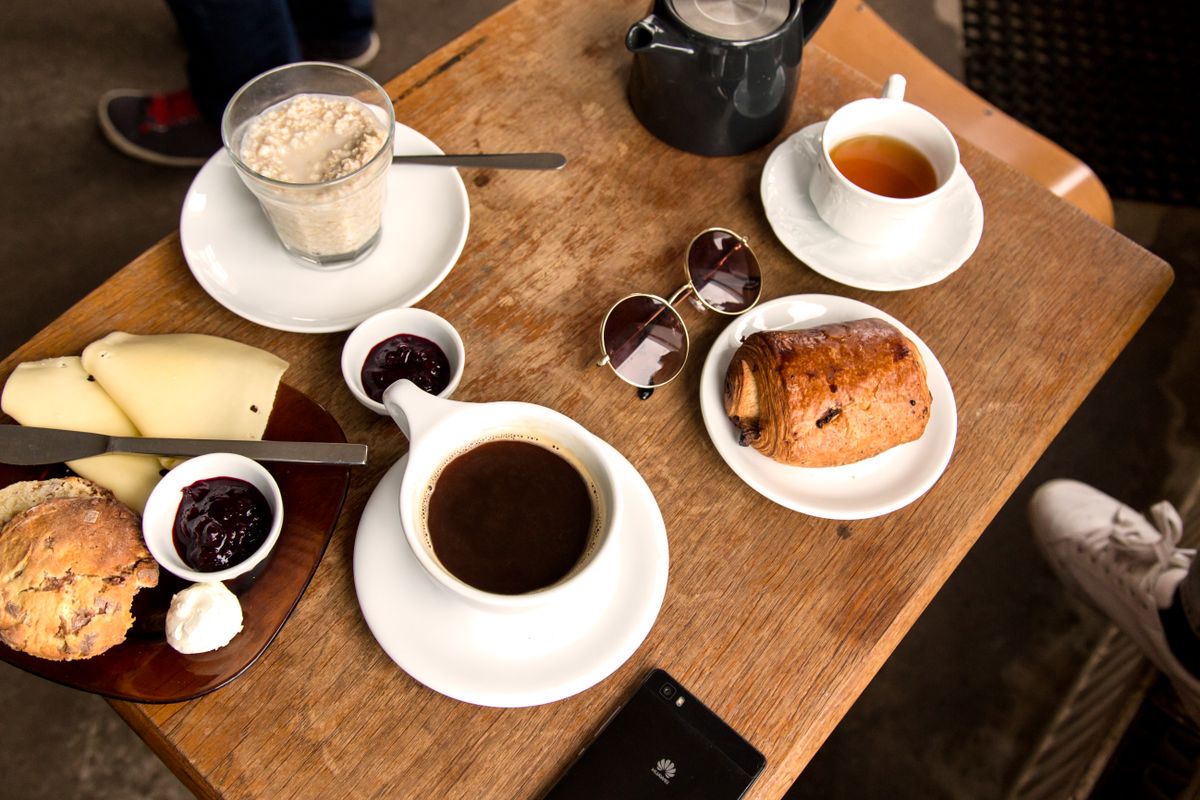
Breakfast and morning coffee. The margins on coffee, pastries, eggs, and toast are excellent, the prep is simpler than dinner, and the customers come back with a frequency dinner will never match — someone might eat dinner out twice a month and buy coffee four times a week. That habit is the real prize. The catch is early labour and a start time your team may hate, so be honest about whether you can staff it without wrecking everyone’s schedule.
Weekend brunch. Probably the highest-value daypart an independent can add. Ticket averages are strong, groups are bigger, the dishes lean on cheap ingredients — eggs, bread, potatoes — and people linger long enough to order another coffee or a drink. Brunch also photographs well, which does a chunk of your marketing for you. If you already open for dinner and your kitchen sits idle until mid-afternoon on Saturday, this is the first thing to try.
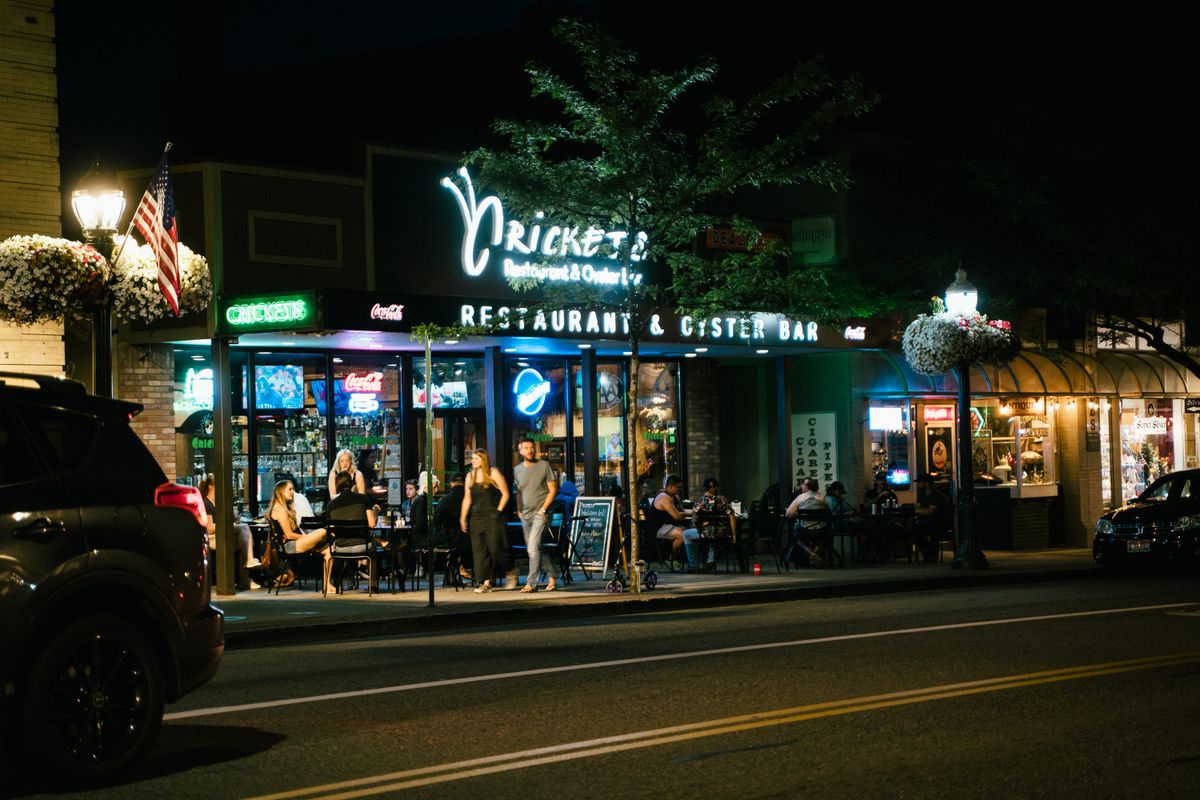
Late night. Underrated in cities with any evening life at all. When the kitchens around you close at 10 and you keep going until 1am with a short, tight menu, you inherit an entire crowd with nowhere to go: cinema, theatre, gig, and shift workers who eat when nobody else is serving. Keep the menu to a handful of things you can fire fast and stock heavily, and it can be the cheapest daypart to run.
There’s also the quiet one nobody names: the afternoon. Between lunch and dinner, a room that’s already open can sell coffee, cake, a small plate, or workspace to remote workers. You’re not adding hours, just giving people a reason to use the ones you already keep.
The menu is the make-or-break
The classic mistake is opening new hours with your existing menu and hoping. It rarely works. Each daypart has its own physics.
Breakfast wants speed and low prices — nobody waits 25 minutes for eggs before work. Late night wants a menu you can execute with a skeleton crew at 1am without a full brigade. Brunch wants shareable, photogenic, generous. The dish that carries your dinner service, with its four components and a sauce, will destroy you at 8am.
So build a short, dedicated menu for the new hours: six to ten items, deliberately overlapping with ingredients you already carry, priced for that occasion. The overlap matters more than it sounds — a daypart that needs its own supplier list, its own storage, and its own prep quietly doubles your waste while you’re still figuring out demand. Start with what’s in the walk-in.
And price it for the hour, not for dinner. Morning customers are buying speed and routine. Brunch customers are buying an occasion and will spend accordingly. Late-night customers want it fast, hot, and simple. Same kitchen, three different jobs.
Staffing is where the plan usually dies
New hours mean more labour, and labour is the number that quietly eats the upside. Before you commit, work out the actual cost of opening those hours — the minimum crew you need to run them — and figure out the revenue that has to walk through the door just to break even. If you need forty covers to justify a morning shift in a neighbourhood that might bring twenty, you’ve learned something valuable before spending anything. Run the numbers the same way you’d run any labour cost check.
Watch the human side too. Adding a breakfast shift to a team that closes at midnight is how you lose good people. If the same crew is expected to cover both ends of the clock, you will be hiring replacements inside three months, and the cost of that swamps whatever the new hours brought in. A new daypart usually needs its own small crew, or a genuine rota redesign — not just longer days for the people already carrying you.
Test it before you commit to it
Never launch a daypart permanently on day one. Run it as a trial with a fixed end date — brunch for six Saturdays, late night for a month of Thursdays and Fridays — and tell customers it’s a trial. That does two useful things: it gives you an honest read on demand, and it gives you a graceful exit if the answer is no. Pulling a “trial” is fine. Quietly abandoning something you announced as permanent looks like failure and dents your reputation.
Decide upfront what success looks like. A number of covers, a revenue figure, a contribution after labour and food cost — pick one and write it down before you’re emotionally invested. Then give it enough weeks to be real. New hours take time to be discovered; judging brunch on its first Saturday tells you nothing except that nobody knew yet.
Which brings up the part people forget: you have to tell people you’re open. Update your hours everywhere — your website, your Google listing, your social profiles, the sign on the door. Half of failed dayparts didn’t fail on the food; they failed because the internet still said the place opened at five. If you’ve done any work on being found on Google, your hours are one of the highest-impact fields there, and a stale one costs you customers who were actively looking.
New hours, live everywhere in seconds
Lekro lets you update your opening hours and publish a separate breakfast, brunch, or late-night menu across your website and digital menu instantly — no reprints. Start free.
What to do this month
Pick your single best candidate — the block of the clock with the most people near you and the least competition — and design a short menu that leans on stock you already buy. Cost the labour honestly. Set a target, run it for four to six weeks, and tell everyone it’s a trial.
If it works, you’ve grown revenue without signing a lease, buying a table, or hiring a second manager. If it doesn’t, you’re out a few weeks of effort and you’ve learned exactly what your neighbourhood does and doesn’t want at that hour. That’s a cheap education either way, and it beats staring at an empty room you’re already paying for.
Tags