The Wait Is Part of the Meal: How to Manage Queues Without Losing Guests
A full restaurant is a good problem — until the wait sends people to the place next door. Here's the psychology of waiting and the tactics that make a queue feel short, fair, and worth it.
The Wait Is Part of the Meal: How to Manage Queues Without Losing Guests
A full restaurant is the problem every owner wants. Right up until the wait for a table sends a hungry, irritated group straight to the place next door — or seats them so annoyed that a great meal can’t win them back. Being busy is the goal. But how you handle the crush at the door decides whether that busyness builds your reputation or quietly burns it. The wait is part of the guest’s experience whether you manage it or not; the only question is whether you’re shaping it or leaving it to chance.
Here’s the encouraging part: decades of research into how people experience waiting all point the same way. A wait’s length matters far less than how it feels — and how it feels is something you can control. You often can’t make the wait shorter. You can almost always make it feel shorter, fairer, and under control, and that’s usually enough.
What actually makes a wait feel bad
People don’t hate waiting nearly as much as they hate a few specific things about how they wait:
- Uncertainty. An unknown wait feels far longer than a known one. “It’ll be a bit” is torture; “about 20 minutes” is manageable, because the brain can settle into it.
- Silence. An unexplained wait feels longer than an explained one. A quick word about what’s happening shortens it in the mind, even if the clock doesn’t move.
- Empty time. Unoccupied waiting drags; occupied waiting flies. Ten minutes staring at a wall feels longer than twenty with a drink and a menu in hand.
- Anxiety. “Did they forget about me?” is the worst feeling in the queue. A guest who isn’t sure they’ve been counted spends the whole wait on edge.
- Unfairness. Nothing enrages a waiting guest like watching someone who arrived after them get seated first. A wait people believe is fair is tolerable; one they suspect isn’t is a grievance.
Fix those five, and a wait that’s exactly as long stops feeling like a punishment.
The tactics that work
- Give an honest, slightly generous estimate. Quote a wait you’re confident you can beat. Being seated “early” is a small delight; being seated late after a lowball guess is a broken promise. Under-promise and over-deliver on time, every time.
- Take a name and set them free. A waitlist that lets people wander, sit at the bar, or step outside — and calls or texts them when the table’s ready — beats a frustrated crowd hovering by the host stand. Give them their time back and the wait stops feeling like captivity.
- Occupy the wait. A place to sit, a drink at the bar, and — crucially — the menu to look at. A guest who reads the menu while waiting is a guest who’s enjoying themselves and who’ll order faster once seated, which turns your tables quicker.
- Keep them acknowledged. A quick check-in — “you’re next, about five more minutes” — is worth more than its words. It answers the “did they forget me?” question before it curdles.
- Be visibly fair. Seat people in a clear, defensible order, and make it obvious you’re doing so. The perception of fairness is as important as fairness itself.
Manage the door before the queue forms
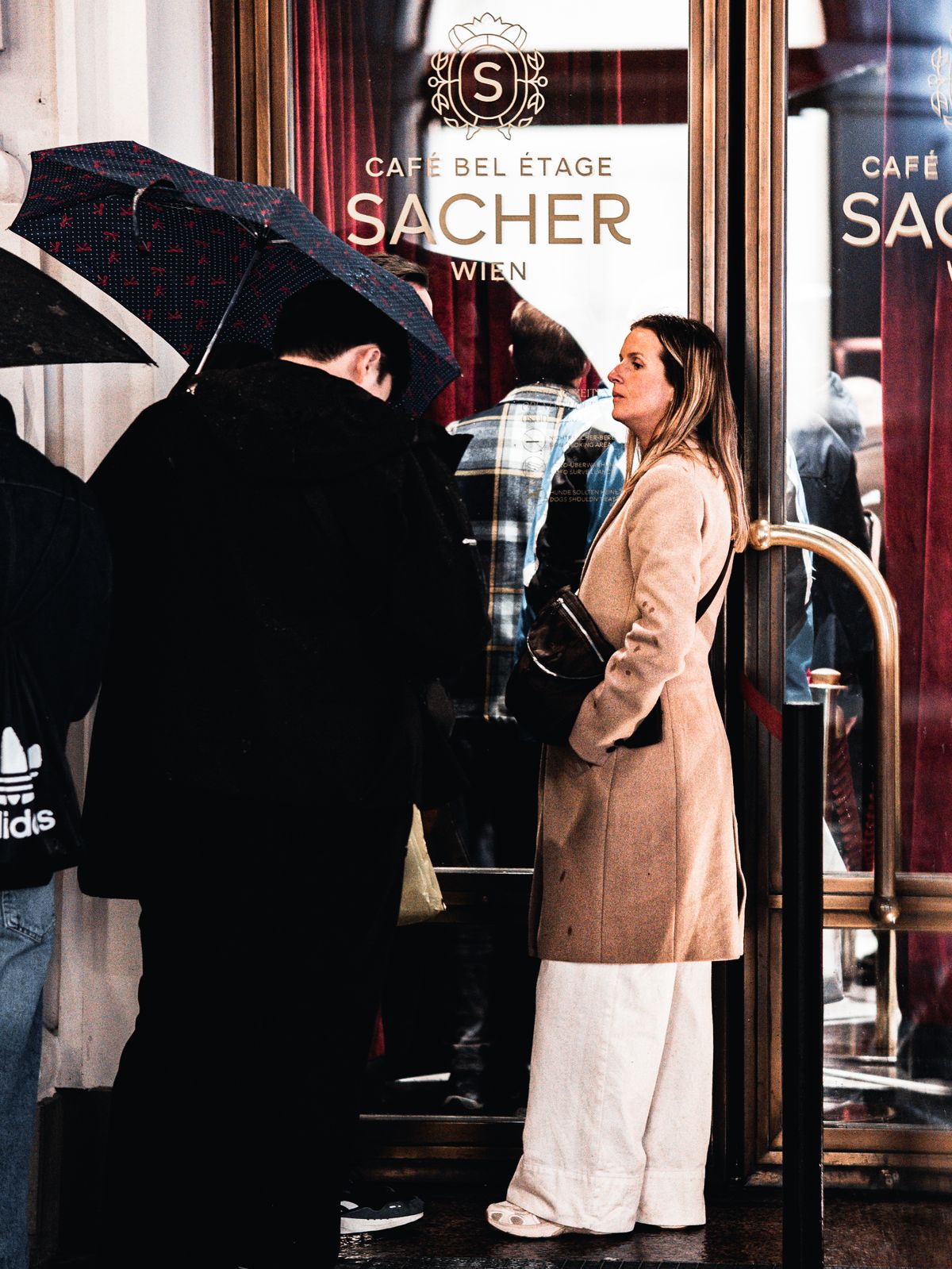
The best wait is the one that never got out of hand, and a lot of that happens upstream. Taking bookings lets you smooth demand across the evening instead of getting slammed all at once, so fewer walk-ins hit a wall. A reservation system is really a flow-management tool: it spreads your covers, warns you when you’re about to be underwater, and lets you pace the kitchen. Pair it with a plan for no-shows and a proper reservation setup, and the chaotic pile-up at the door becomes a manageable, predictable flow.
Turn the wait into an asset
Handled well, a wait isn’t just damage to be minimized — it can actually work for you. A lively cluster of people waiting at the bar signals to passers-by that this is the place to be; a little visible demand is free advertising. And a guest who browses your menu while they wait arrives at the table already knowing what they want, which speeds their order, often nudges them toward an extra dish, and turns the table faster for the next group. The wait, managed right, can build anticipation instead of resentment — the difference between “ugh, they’re always packed” and “it’s always worth it there.”
This is where a little technology quietly does the heavy lifting. Reservations smooth the rush before it starts. A digital menu guests can pull up on their phone while they wait lets them decide before they sit — turning dead waiting time into productive ordering time, and telling every waiting guest, without a word, that this place is worth it.
Smooth the rush, make the wait work
Lekro gives you online booking to pace your covers and a QR menu guests can browse while they wait — so the queue moves faster and feels shorter. Start free.
You can’t always avoid the wait — but don’t let it cost you the table
Sooner or later, if you’re doing things right, you’ll have more people wanting tables than you have tables. That’s success, not failure — but only if you manage the moment it creates. Give an honest estimate, free people from the doorway, occupy and acknowledge them, keep it visibly fair, and use booking and a browsable menu to smooth the whole thing out. Do that, and a full house becomes proof you’re worth waiting for, instead of the reason a table full of hungry people walked away.
Tags