
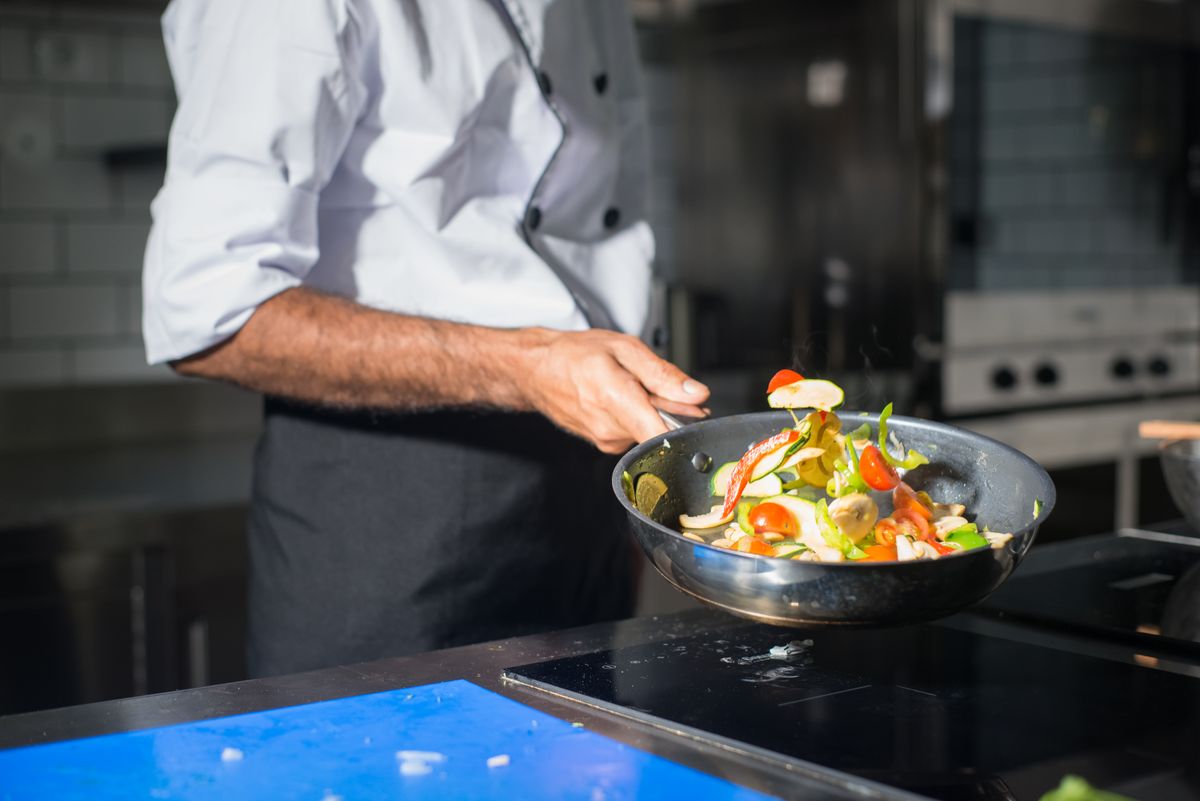
Sustainability Is Becoming Table Stakes: What Diners Now Expect from Restaurants
Sustainability has moved from a niche selling point to a baseline expectation — and diners are quick to spot greenwashing. Here's what they actually notice, why it often saves you money, and how to do it credibly.
Sustainability Is Becoming Table Stakes: What Diners Now Expect from Restaurants
Not long ago, “sustainable” was a badge a handful of restaurants wore to stand out. That era is ending. For a growing share of diners — younger ones especially — sustainability has quietly slipped from a nice differentiator into a baseline expectation: not the reason they choose you, but something they assume, and notice sharply when it’s missing. A mountain of single-use plastic with the delivery, obvious food waste, no real vegetable options — these now register as a restaurant that isn’t paying attention.
But here’s the catch that trips up a lot of owners: the same diners who expect it are also deeply allergic to being sold it. Vague “eco-friendly” badges and green leaves stamped on the menu read as greenwashing, and greenwashing is worse than saying nothing. So the real question isn’t “should we market ourselves as sustainable?” It’s “what do diners actually notice, what actually matters, and how do we do it honestly?”
The shift: from differentiator to default
The change is generational and it’s accelerating. Younger diners increasingly factor a restaurant’s practices into where they eat and what they’ll happily pay — and they carry those expectations with them as they become the biggest chunk of the dining public. What used to earn a restaurant credit now merely avoids a penalty. Sustainability is following the same path as clean bathrooms and card payments: once remarkable, now simply expected, and conspicuous by its absence.
Crucially, this audience is informed. They can tell the difference between a real practice and a marketing sticker, and they punish the sticker. That cuts both ways — it means empty gestures backfire, but it also means genuine effort, communicated plainly, earns real trust.
What diners actually notice
Forget the vague stuff. The things guests genuinely register are concrete and practical:
- Waste. Wildly over-portioned plates that come back half-eaten, and mountains of packaging with a takeaway — visible waste reads as carelessness.
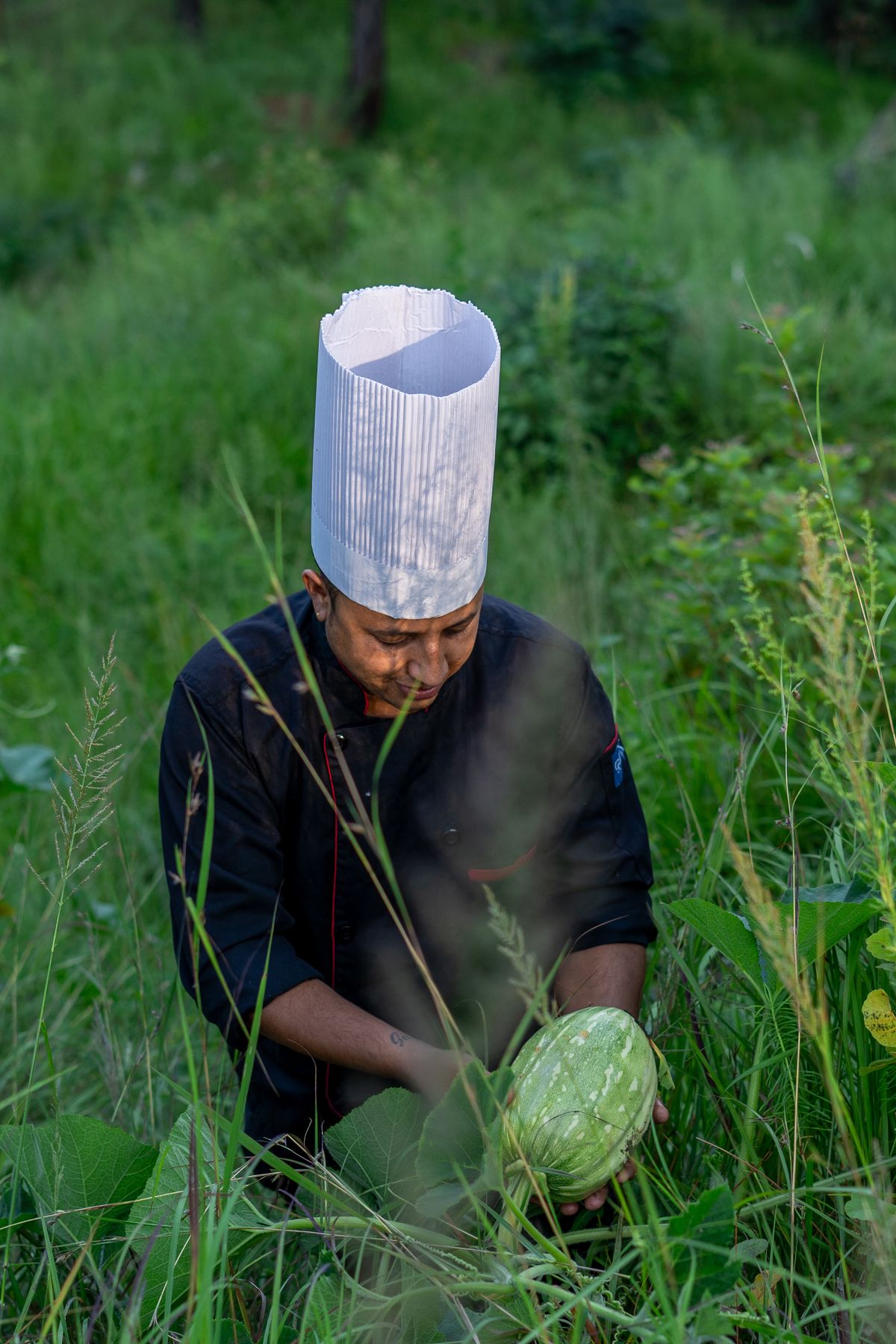
- Where the food comes from. Local and seasonal sourcing, named specifically, lands as real. “We get our vegetables from the farm down the road” beats any badge.
- Packaging, especially for delivery and takeaway. Single-use plastic is the most visible sustainability failure a restaurant has, because the customer literally holds it.
- Real plant-forward options. Not a token salad, but genuinely good vegetable-led dishes — increasingly expected, and overlapping neatly with dietary needs.
- Honesty over perfection. A specific, modest, true claim (“we’ve cut our food waste by composting and smarter ordering”) beats a grand vague one every time. Diners trust specifics and distrust slogans.
It’s not just morals — it usually saves money
Here’s what makes this easier to act on than a lot of “do the right thing” advice: for a restaurant, sustainability and profitability point the same direction more often than not.
- Less waste is lower food cost. Cutting food waste is the clearest example — every scrap you don’t throw away is money you already spent, saved. The greenest move and the cheapest move are frequently the same move.
- Seasonal sourcing is cheaper sourcing. In-season ingredients cost less and taste better. Building your menu around what’s abundant right now is good economics before it’s good ethics.
- Less packaging is less spend. Cutting single-use materials trims a real line item, especially at delivery volume.
- It’s a loyalty asset with the right customers. For values-driven diners, a genuine, well-communicated practice is a reason to choose you and come back — marketing you earn instead of buy.
Credible moves for an independent
You don’t need a corporate ESG program or a certification budget. A few honest, practical steps do most of the work:
- Attack food waste first. It’s the biggest, cheapest, most impactful win — good for the planet and your margin at the same time. Start here.
- Source seasonally and locally where you can — and say so specifically. Name the farm, the market, the season. Specificity is what makes it believable.
- Rethink your packaging, especially for takeaway and delivery, where the customer sees and holds it.
- Put real plant-forward dishes on the menu — ones you’d be proud to serve, not an afterthought.
- Communicate plainly and honestly. Say what you actually do, in specific terms, and skip anything you can’t back up. Under-claiming and delivering beats over-claiming and getting caught.
Where your menu tells the story
The last step — communicating it credibly — is where a lot of good practice goes to waste, because guests never hear about it. This is where your own menu and website earn their keep. Instead of a vague green badge, your digital menu can tell your real sourcing story where guests are actually deciding: this dish is seasonal, this one is plant-based, this is where the produce comes from. Because it’s on a channel you own, you control the message and keep it specific and honest, rather than hoping a badge does the talking.
There’s a quieter sustainability win in going digital, too: a digital and QR menu means no constant reprinting, and better sales data means you order closer to real demand — less paper, less over-buying, less waste, built into how the menu works.
Tell your real sustainability story
Lekro’s digital menu lets you flag seasonal, local, and plant-based dishes and tell your sourcing story where guests decide — no reprints, no vague badges. Start free.
You don’t have to be perfect
The bar isn’t a zero-waste, fully carbon-neutral, certified-everything operation. Most diners know that’s not realistic for a neighborhood restaurant, and they’re not asking for it. What they’re asking for is genuine effort, honestly communicated — real steps you actually take, described in real terms. Cut your waste, source thoughtfully, rethink your packaging, offer food that doesn’t treat vegetables as an afterthought, and tell the true story plainly. Do that, and you meet the new baseline without a single green sticker — and you’ll usually find your costs went down while your reputation went up.
Tags