
Cutting Food Waste: The Profit Sitting in Your Bin
Every restaurant throws away food, and most owners have no idea how much it costs them. Here's where waste really happens, how to cut each kind, and why the bin is the cheapest place to find profit.
Cutting Food Waste: The Profit Sitting in Your Bin
Every restaurant throws food away. What most owners don’t know is how much, where it comes from, or what it’s costing them — which is a strange blind spot, because that bin is full of money you already spent. You bought the ingredient, paid to store it, maybe paid someone to prep it, and then paid to have it hauled away uneaten. Food waste is one of the biggest and most fixable leaks in any kitchen, and closing it is about as close to free profit as this business gets.
It’s also becoming something you can’t ignore for another reason: diners increasingly expect it. But set the ethics aside for a moment, because the numbers alone make the case. Cutting waste lowers your food cost, tightens your margin, and often turns a break-even month into a profitable one — without selling a single extra plate. You just stop paying for food nobody eats.
Where the waste actually happens
You can’t fix waste you can’t see, and it hides in three different places:
- Spoilage waste — food that goes off before you use it. Over-ordering, poor rotation, and bad storage mean product dies in the walk-in. This is the most common and the most infuriating, because you paid full price for something that produced zero revenue.
- Prep and production waste — trim, offcuts, mistakes, and batch-cooking more than you sell. Some of this is unavoidable; a lot of it isn’t.
- Plate waste — over-portioned dishes that come back half-eaten. Every forkful scraped into the bin is food cost you paid for and a portion size you can probably tighten.
Each type has different causes and different fixes, so the first job is figuring out which bucket your waste is actually landing in.
Why this is really about profit
Food waste isn’t a separate problem from your bottom line — it is your bottom line, leaking. It’s the hidden force behind a bad food cost percentage: your recipes might be costed perfectly, but if a chunk of what you buy hits the bin instead of a plate, your real food cost balloons past what the recipe card says. It’s tied directly to your inventory habits — most spoilage is an ordering and storage problem wearing a disguise. And it’s now part of what diners expect, which means cutting it pays you twice: once in saved cost, once in reputation.
How to cut each kind
- Measure before anything else. Keep a waste log — even a rough one, even for a single week. Write down what gets thrown away and why. You cannot cut what you don’t measure, and almost every owner who starts logging is shocked by what they find. The log tells you where to aim.
- Order tighter and stock to demand. Most spoilage is over-ordering in disguise. Set par levels, order to your actual sales pattern rather than fear, and stop buying “just in case” cases that die on the shelf.
- Rotate and store properly. First in, first out. Label and date everything. A huge amount of spoilage is simply good product hiding behind newer product until it’s too late — proper rotation makes that impossible.
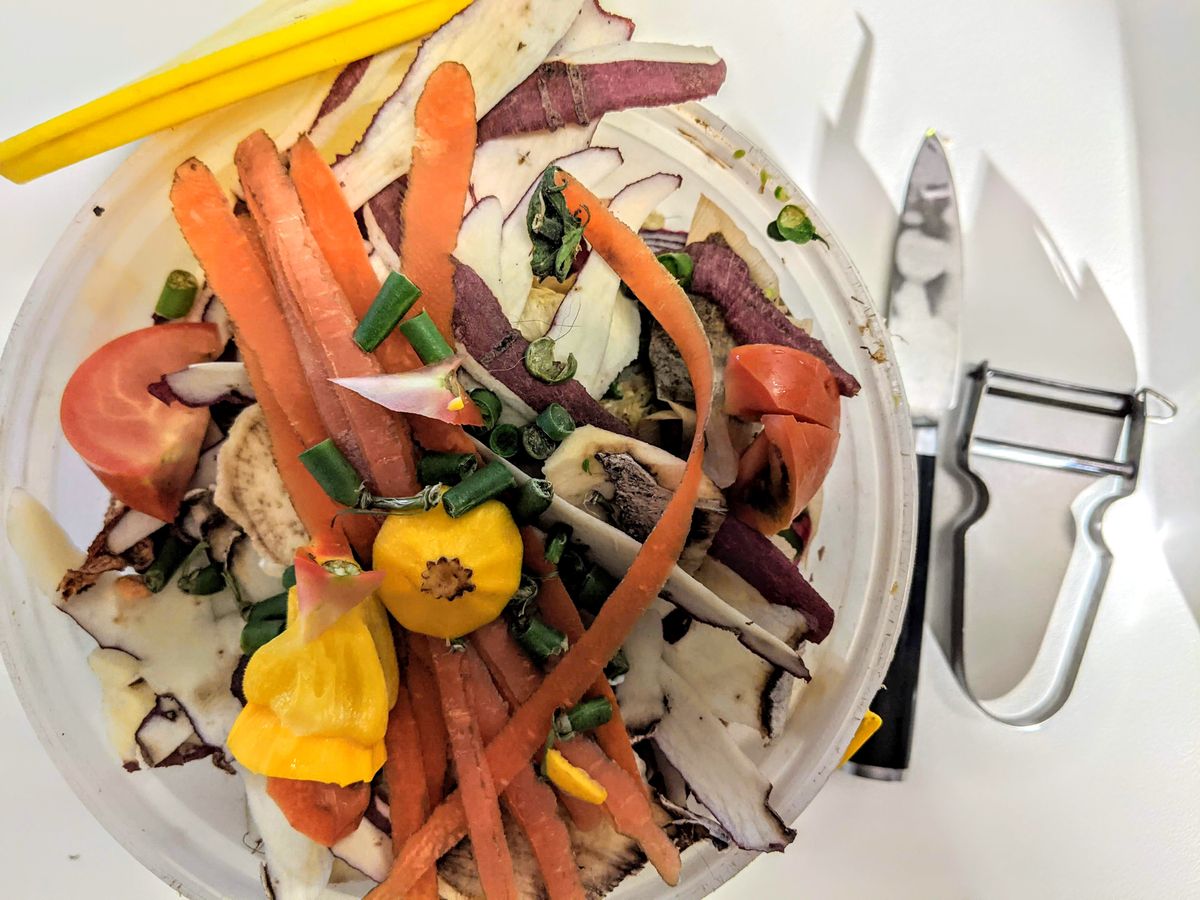
- Put trim and offcuts to work. Vegetable trim becomes stock; offcuts become a staff meal or a special. The scraps that usually hit the bin can often earn their keep with a little creativity.
- Right-size your portions. If plates consistently come back with food on them, your portions are bigger than your guests want. Tightening them to what actually gets eaten cuts plate waste and food cost at once — and done thoughtfully, no guest even notices.
- Prep to par, not to habit. Over-prepping produces the same dead surplus as over-ordering. Prep to what you’ll realistically sell, and batch smarter rather than bigger.
- Run a tighter menu. A smaller, sharper menu uses fewer ingredients across more dishes, which means less sits around waiting to spoil. Menu bloat and food waste are the same problem seen from two angles.
- Repurpose surplus before it dies. Day-old bread, a slow-moving ingredient, an over-prepped batch — turn them into a special, an end-of-day offer, or a donation before they become trash.
The forecasting problem underneath it all
Dig into spoilage and over-prep and you nearly always hit the same root cause: not knowing how much you’re actually going to sell. You over-order and over-prep because guessing high feels safer than running out — and every one of those safety margins ends up in the bin. The fix is to replace the guess with your own data. When you can see what actually sold, by day and by dish, you prep and order to reality instead of to fear, and the single biggest source of waste starts to shrink.
Two digital tools make that practical. Your sales history turns “how much should we prep?” from a gut call into an informed one. And a digital menu lets you move surplus the moment you have it — feature a special built around the ingredient that’s about to turn, or mark something unavailable the instant it’s gone — so today’s surplus becomes today’s sales instead of tomorrow’s trash.
Prep to real demand, sell your surplus
Lekro shows you what actually sells so you order and prep to reality, and lets you feature specials to move surplus before it’s wasted. Start free.
Start by looking in the bin
Of all the places to hunt for profit in a restaurant, the bin is the cheapest and the most overlooked. You don’t need new customers, higher prices, or a bigger kitchen to find the money in it — you just need to see what you’re throwing away and stop paying for it. Log your waste for a week, find which bucket it’s landing in, and fix the biggest one first. It’s rare to find a lever in this business that lowers your costs, lifts your margin, and improves your reputation all at once. This is one of them, and it’s sitting right there under the prep counter.
Tags