The Ringing Phone: How Many Bookings You Lose Mid-Service
Your phone rings hardest exactly when your team can least answer it. Here's what those missed calls are worth, and how to stop losing bookings and orders to a busy signal.
The Ringing Phone: How Many Bookings You Lose Mid-Service
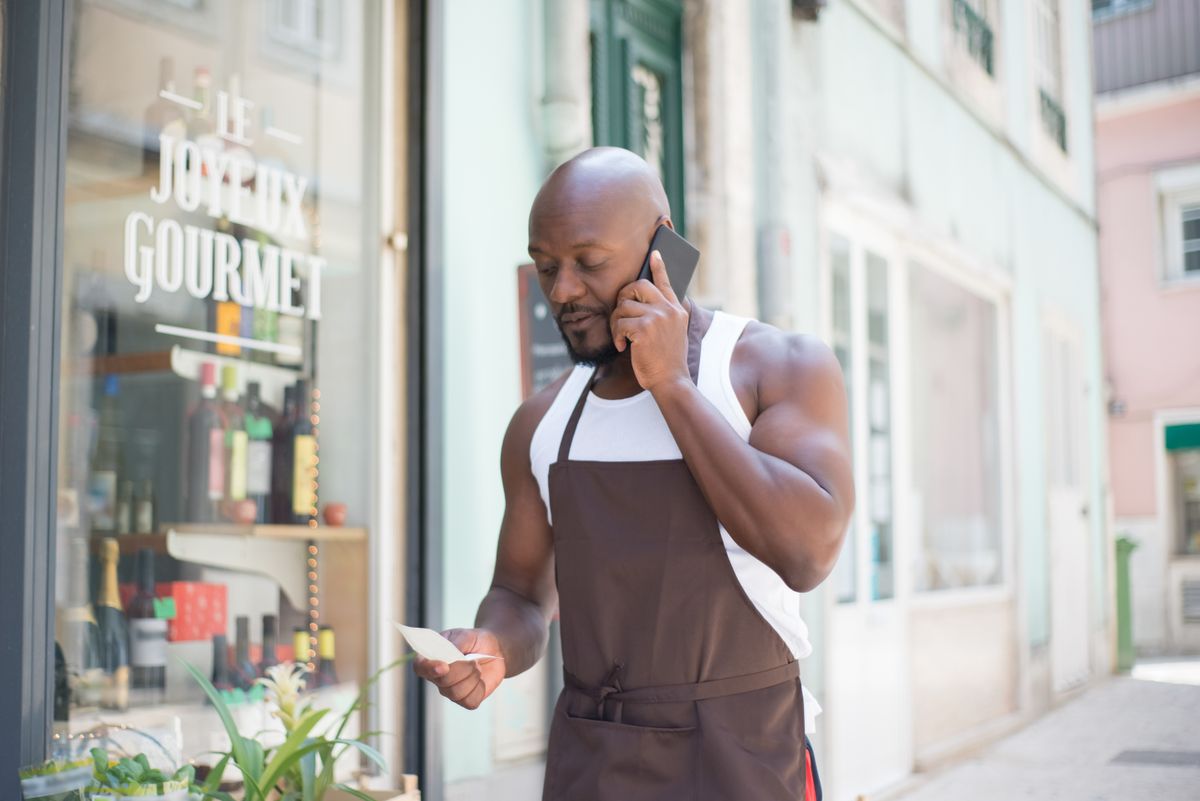
Friday, 8:15pm. The room is full, three tables want their bill, a delivery driver is at the door, and the phone starts ringing. Everyone hears it. Nobody can get it. It rings out.
That was probably a table for four next Saturday. You’ll never know, because the person on the other end didn’t leave a message — they called the next place on their list, and that one picked up.
The uncomfortable thing about the restaurant phone is that its busiest hours are your busiest hours. The calls come exactly when your team has the least capacity to take them, which means you’re structurally worst at answering the phone at the precise moment the most valuable calls arrive.
Nobody notices this, because a missed call leaves no trace. A guest who walks out of a full dining room is visible; a guest who hangs up is not. So this loss sits in almost every independent restaurant, unmeasured, year after year.
Do the arithmetic once — it’s uncomfortable
You don’t need a study. Use your own numbers.
Pull your call log for the last week. Count the calls that weren’t answered. Assume some fraction were bookings or orders — even a conservative guess will do — and multiply by your average booking size or ticket. Now multiply by fifty-two.
For most restaurants the number lands somewhere between “that’s a decent holiday” and “that’s a member of staff.” It’s almost always larger than the last three things you agonised over cutting.
And that’s just the direct loss. A missed call also costs you the future visits from that person, and it quietly tells them you’re either shut, chaotic, or too busy to want their business — a bad first impression from someone who was actively trying to give you money.
Why answering it better isn’t the whole answer
The instinct is to fix this with effort: tell staff to always get the phone, put a phone at the pass, assign someone. That helps a little and creates two new problems.
The first is that every answered call during service costs you attention on the floor. A three-minute booking call is three minutes not spent on guests who are already in the building, and it’s usually taken by whoever is closest, which is rarely whoever is free.
The second is that the phone is a bad tool for the job. It’s synchronous — both people have to be available at the same moment — which is exactly what you can’t guarantee. It’s error-prone; a name and time scribbled on a pad during a rush is how double-bookings happen. And it’s invisible: no record, no confirmation, no reminder, nothing to look back at when the guest says they booked for seven and your book says eight.
So the real fix isn’t answering more calls. It’s removing the calls that didn’t need to be phone calls at all.
Take the volume out of the phone
Look at what your phone actually rings about. In most restaurants it’s dominated by a handful of things, and nearly all of them can be answered without a human:
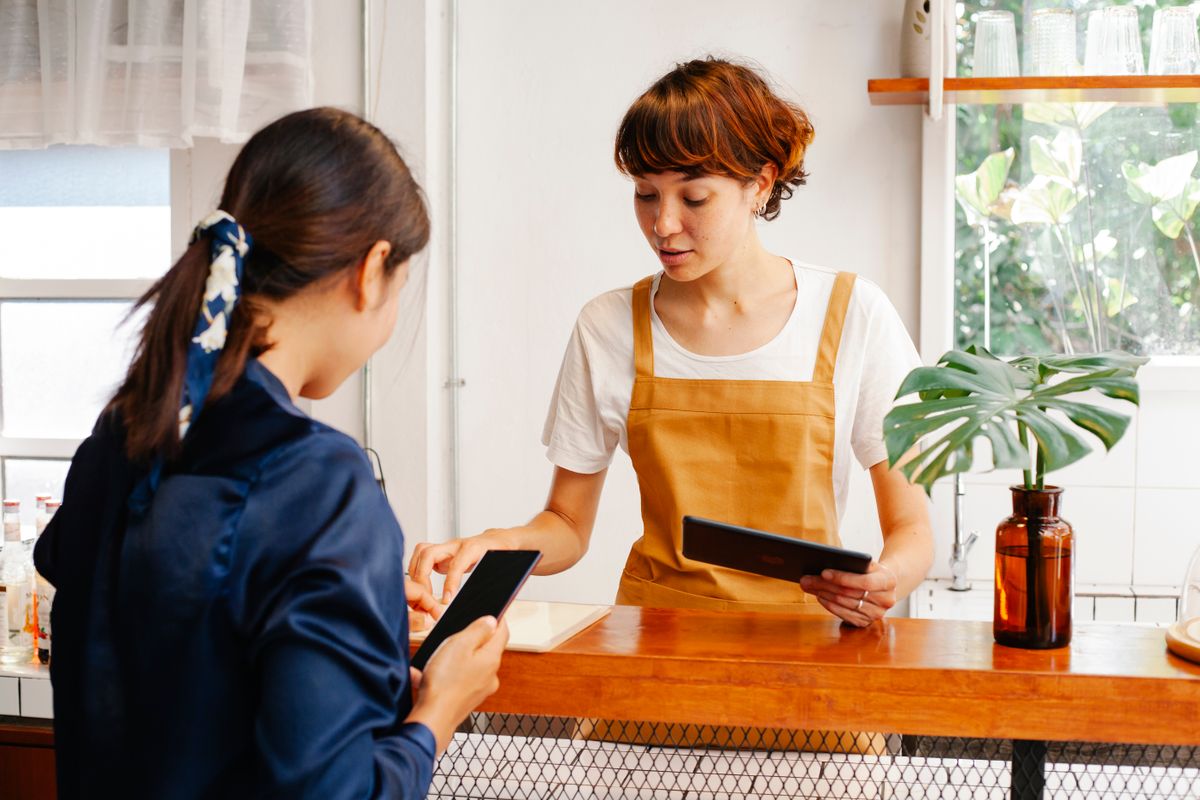
Bookings. The biggest one. An online booking option takes reservations while you’re mid-service, at 11pm when someone is planning their week, and on the day you’re closed. It writes itself down correctly, sends a confirmation, and can send a reminder that reduces no-shows. And it’s what a large share of guests would prefer anyway — plenty of people simply don’t like phoning, and will book elsewhere rather than call you.
“Are you open?” and “where are you?” These are website and Google-listing failures. If your hours and address are current everywhere, most of these calls never happen. If your hours are wrong, you get the calls and you lose the people who didn’t bother to check.
“What’s on the menu?” / “Do you have anything vegetarian?” / “Is there anything without nuts?” A proper online menu — with ingredients and dietary tags, kept current — answers these completely, at any hour, and more accurately than a server reciting from memory during a rush.
Orders. Taking takeaway orders by phone is slow, error-prone, and blocks the line for everyone else. An online ordering page takes them in parallel, gets the address and the details right, and doesn’t need anyone to hold a pen.
Strip those out and the phone stops being a firehose. What’s left — the special requests, the large group with a complicated question, the supplier, the regular who just prefers to call — is a manageable trickle that your team can actually pick up.
Then make the remaining calls work properly
For the calls that stay, a bit of structure goes a long way:
- Decide who owns the phone in each shift. Not “whoever’s nearest.” A named person per service, with the phone actually near them.
- Record a voicemail greeting that does a job. Not “we can’t take your call.” Something like: “We’re in service right now — you can book and see our menu at [your site], or leave your number and we’ll call back tonight.” That turns a dead end into a redirect.
- Call back the missed ones. Look at the log at the end of service and return the calls you missed. Some of them are still bookable; nearly all of them are surprised and impressed that you rang back.
- Have the information at hand. Whoever answers should be able to see today’s availability and the current menu in seconds. Half the length of a phone call is someone going to check something.
- Keep the calls short and warm. Take the booking, confirm it back, say goodbye. The efficiency is what lets you stay pleasant while a full room waits.
Where the phone still wins
None of this means going phone-free. Some guests will always call, and for some of them it’s the only channel they’ll use — older regulars, large groups, anyone with a genuinely complicated request. A restaurant that can’t be reached by a human at all feels cold, and you’ll lose bookings at the other end of the spectrum.
The goal is the mix: everything routine handled online, so the phone is free for the conversations that genuinely need one. That’s also what makes the phone pleasant again — when it rings four times a service instead of twenty, someone can actually pick it up and be nice.
Take bookings while your hands are full
With Lekro, guests can see your menu and book a table straight from your website — day or night, mid-service, without anyone answering the phone. Start free.
Measure it for one week
Before you change anything, count. Keep a tally by the phone for seven days: calls answered, calls missed, and roughly what each one was about. It takes a few seconds per call and it will tell you two things — how much you’re losing, and which single online change would remove the most calls.
Almost every restaurant that does this finds the same pattern: most of the volume is bookings and questions that a current website could answer, and most of the misses are on the nights that matter most. Fix that, and the phone stops being a source of lost revenue and goes back to being what it should be — a nice way for people who prefer to talk to reach a restaurant that has the time to talk back.
Tags