The Zero-Proof Shift: Non-Alcoholic Drinks Became a Real Revenue Line
More guests are ordering no-alcohol drinks — and they're tired of being offered orange juice. Here's why the shift is happening and how to build a drinks list that makes money from it.
The Zero-Proof Shift: Non-Alcoholic Drinks Became a Real Revenue Line
Ask a room full of restaurant owners what the non-alcoholic option is and you’ll get roughly the same answer everywhere: soft drinks, juice, maybe a sparkling water. Fine. Nobody complains.
But watch what happens at a table where one person isn’t drinking. Everyone else orders something interesting. That person gets a cola in a glass with ice. They pay a fraction of what the others pay, the kitchen makes almost nothing off them, and — the part that actually matters — they feel a little bit outside the evening.
That guest is a much bigger share of your room than they used to be. People who don’t drink for religious reasons have always been there and have always been served badly. Add everyone driving, everyone pregnant, everyone on medication, everyone training, everyone doing a dry month, and a whole generation drinking noticeably less than the one before it. Non-alcoholic isn’t a niche accommodation any more. In a lot of restaurants it’s a quarter of the table.
The interesting part, from a business point of view, is that these drinks carry excellent margins — and most restaurants are leaving that entirely on the table.
Why this is a margin story, not a hospitality story
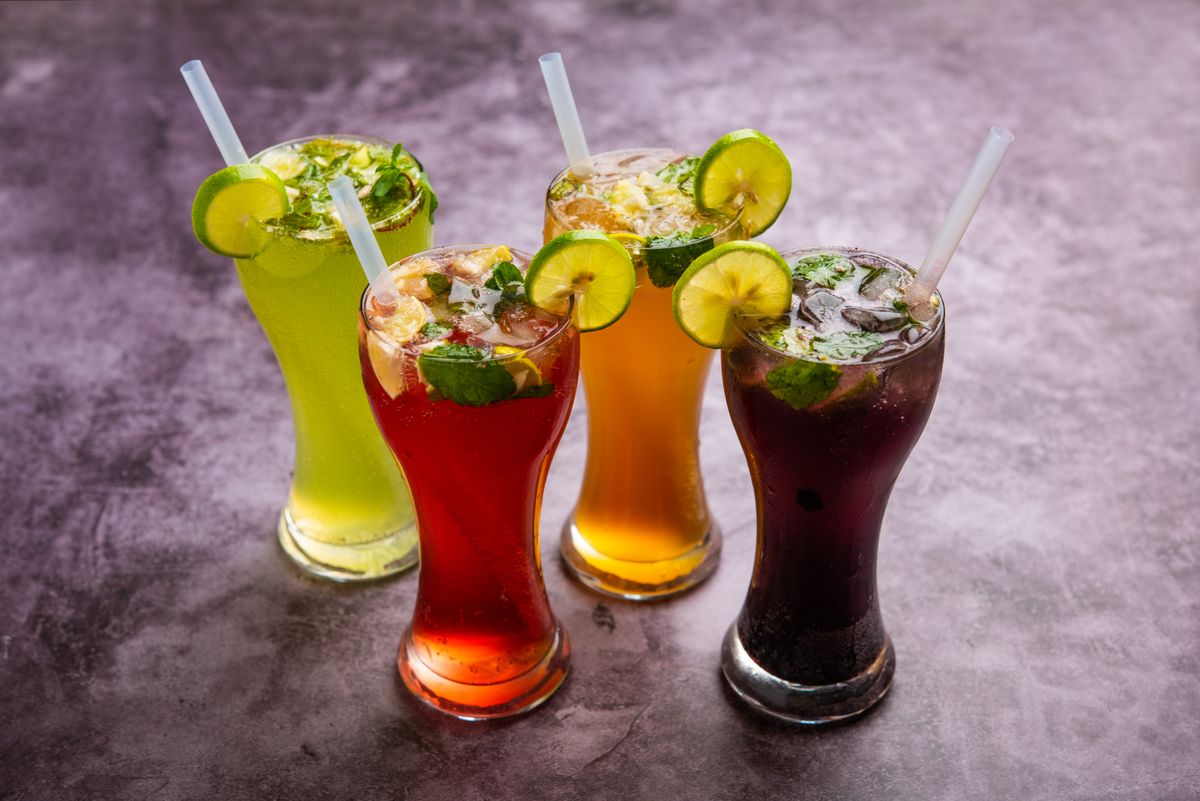
A well-made non-alcoholic drink sells for a real price because it’s a real drink: fresh juice, a proper syrup, herbs, ice, a garnish, a nice glass, and three minutes of someone’s attention. Guests will pay for that, and the ingredient cost is generally a fraction of what a spirit-based equivalent costs you.
Compare it to what you’re selling now. A branded soft drink has a fixed cost you don’t control and a price ceiling everyone in the country already knows. You can’t charge more for a cola than the café next door — there’s nothing to differentiate. A house-made drink with your name on it has no reference price at all.
Then there’s the drink nobody counts: the second one. A guest with a soft drink orders one and stops. A guest with a genuinely good drink orders another, the same way a wine drinker does. That’s the whole ticket difference, and it repeats across every table with a non-drinker on it.
There’s also a quieter effect on the group. Tables tend to move together — when one person’s drink looks worth having, others order from that list too, including people who were going to drink alcohol. A strong zero-proof list doesn’t just serve non-drinkers; it sells to everyone.
What guests are actually asking for
Not a sad mocktail with grenadine and a paper umbrella. What they want is simple to state and slightly harder to deliver:
Something that isn’t sweet. This is the big one. Almost every default non-alcoholic option is sugar — juice, cola, lemonade. Adults eating a full dinner want something bitter, sour, herbal, or dry to drink alongside food, exactly like wine.
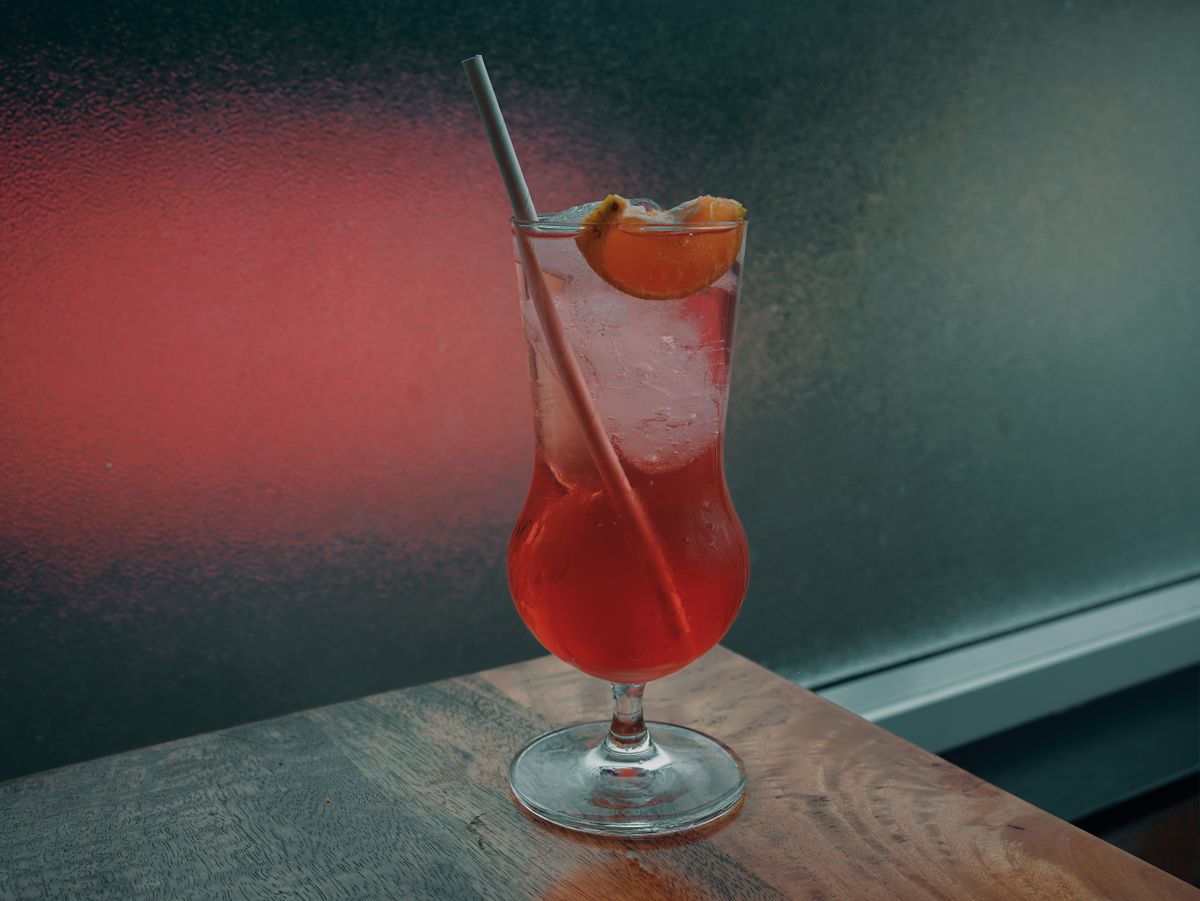
Something that feels like a drink. Served in proper glassware, garnished, made to order. Half of the experience of a drink is the ritual and the object in your hand. A can poured into a tumbler doesn’t deliver it.
Something on the menu with a name. Being handed a list and finding one line at the bottom that says “soft drinks” tells you where you rank. A named, described section says you were expected.
Not to be asked twice. “Just water?” said with a raised eyebrow is a small, common indignity. Servers should offer the non-alcoholic list as naturally as they offer the wine list.
How to build a list without hiring a bartender
You don’t need a mixology program. You need three to five drinks you can make consistently in a couple of minutes, using ingredients you already carry.
Build them from things in the kitchen: citrus, herbs, cucumber, ginger, chilli, honey, fresh fruit, tea, coffee, sparkling water. A house lemonade with rosemary. A ginger-and-lime cooler. Iced hibiscus with orange. A cold-brew tonic. A savoury tomato drink. Nothing exotic — but made properly, from real ingredients, in front of the guest.
A few principles that decide whether this works:
- Balance, don’t sugar. Acidity, bitterness, salt, herbs. If the whole list is sweet, guests will have one and switch to water.
- Batch what you can. Pre-made syrups and infusions turn a three-minute drink into a thirty-second pour. If it’s slow on a busy Saturday, your team will quietly stop selling it.
- Price it like a drink, not like a juice. If it takes real ingredients and real work, it can sit close to your cocktail or wine-by-the-glass pricing. Under-pricing it is what signals to the guest that it isn’t a real option.
- Give it its own section. Name it something that isn’t “mocktails” if that word feels apologetic to you — “zero proof,” “no alcohol,” “house drinks.” Put it in the drinks list where people read, not at the bottom under a rule.
- Consider the ready-made options too. Non-alcoholic beer, wine, and spirits have improved enormously and require zero prep. Stocking one or two good ones is the lowest-effort version of this whole article.
And teach the floor to sell it. The list only performs if servers mention it by name at the same moment they’d mention wine. That’s a thirty-second briefing, and it’s the difference between a drinks list that sells and one that just sits on the page — the same principle behind any upselling that actually works.
Who this matters most for
If you’re in a market where a large share of guests don’t drink alcohol at all, this isn’t a trend — it’s your main beverage program, and treating it as an afterthought means you have no beverage program. Restaurants in those markets that build a serious house drinks list often find beverages become one of their strongest margin lines, precisely because nobody else bothered.
If you do serve alcohol, the calculation is different but points the same way: you have designated drivers, pregnant guests, and people cutting back at a growing number of tables, and right now each of them is a low-value seat you’d rather have filled by someone else. They don’t need to be.
Put your drinks where people actually read them
A Lekro digital menu makes it easy to give your zero-proof drinks a proper section with photos and descriptions — and update it whenever the list changes. Start free.
Start with three drinks
Pick three. Make them from what’s already in your kitchen, batch the syrups, price them properly, and give them a named section on your menu with a line of description each. Tell your team to offer them out loud.
Then watch what happens on the tables where someone isn’t drinking. The ticket goes up, the non-drinker stops feeling like an afterthought, and — this is the part owners don’t expect — some of the people who were going to order a beer will order your house drink instead, and pay the same for it.
Tags