
Suppliers: Getting Better Prices Without Wrecking the Relationship
Most restaurants accept their supplier prices as fixed. They aren't. Here's how to negotiate properly, check what you're actually being charged, and stay someone your suppliers want to look after.
Suppliers: Getting Better Prices Without Wrecking the Relationship
Ask an owner what they pay for chicken and you’ll usually get a confident answer. Ask what they paid six months ago and it gets vague. Ask whether the price went up because the market moved or because nobody was checking, and you get an honest shrug.
That gap is where a lot of money quietly lives. Supplier prices drift upwards on restaurants that don’t look. Not through malice, mostly — a supplier passes on a genuine increase, then the market softens and the price doesn’t come back down, because nobody asked. Two years of that and your margin has moved several points without a single decision being made.
The flip side matters just as much: your suppliers are also the people who find you a case of something at 6pm on a Friday when your delivery was short. Squeezing them purely on price is how you become the customer they serve last. The goal isn’t to win — it’s to pay a fair price and stay someone worth looking after.
Know what you’re buying before you negotiate anything
You can’t negotiate what you haven’t measured, and most restaurants walk into these conversations without the basic numbers.
Start with the top twenty items by spend, not by frequency. There’s usually a small handful of lines — a protein, a dairy item, cooking oil, a packaging item — that make up a large share of what you spend. A few percent off one of those beats haggling over anything at the bottom of the list.
Then get your price history. Pull invoices for the same items across the last six to twelve months and put them side by side. This single exercise finds money in almost every restaurant that does it for the first time, because the increases arrive one at a time and never feel like much individually.
And know your volumes. “We buy about 40 kilos a week and we’d commit to that” is a negotiating position. “We buy quite a lot” isn’t.
If you have this in front of you, you’re already better prepared than most independent buyers your supplier deals with. If you’re already tracking food cost percentage, you have half of it — this is the purchasing side of the same number.
Where the money actually is
Ask for a review, not a discount. “Can you go through our top lines with me and see where you can do better?” is a conversation. “Give me 10% off” is a fight. Suppliers have room on some items and none on others, and the review lets them give you the ones they can.
Commit volume for a better price. The lever you actually have is predictability. A price locked for three months in exchange for a committed weekly order is worth more to a supplier than a slightly higher price from a customer who might disappear.
Consolidate — carefully. Fewer suppliers means bigger orders and better terms, and fewer deliveries to receive and check. But going single-source on a critical line leaves you exposed when they have a problem. Consolidate the everyday stuff; keep a backup for anything you cannot run service without.
Ask about payment terms as well as price. Longer terms or a small discount for paying quickly can be worth as much as a price cut, and suppliers often find terms easier to move than headline prices.
Look at the delivery schedule. Fewer, larger deliveries usually cost less to serve — and cost you less to receive, since every delivery consumes staff time. Just don’t buy so far ahead that fresh product ages in your walk-in; that’s a discount converted directly into waste.
Get quotes, honestly. Price your main lines with two or three suppliers once or twice a year. Not as a threat, as information. And be straight about it — telling your current supplier “we’re reviewing our purchasing this month” is fair, professional, and usually produces a better number without any drama.
Question the spec, not just the price. Sometimes the saving isn’t a cheaper supplier; it’s a different cut, a different grade, or a different pack size that fits your prep better. A supplier who knows what you’re actually cooking will often suggest this themselves if you ask.
Check every delivery, every time
Negotiating a good price is pointless if you don’t get what you paid for. This is the least glamorous part of purchasing and it’s where the leaks are.
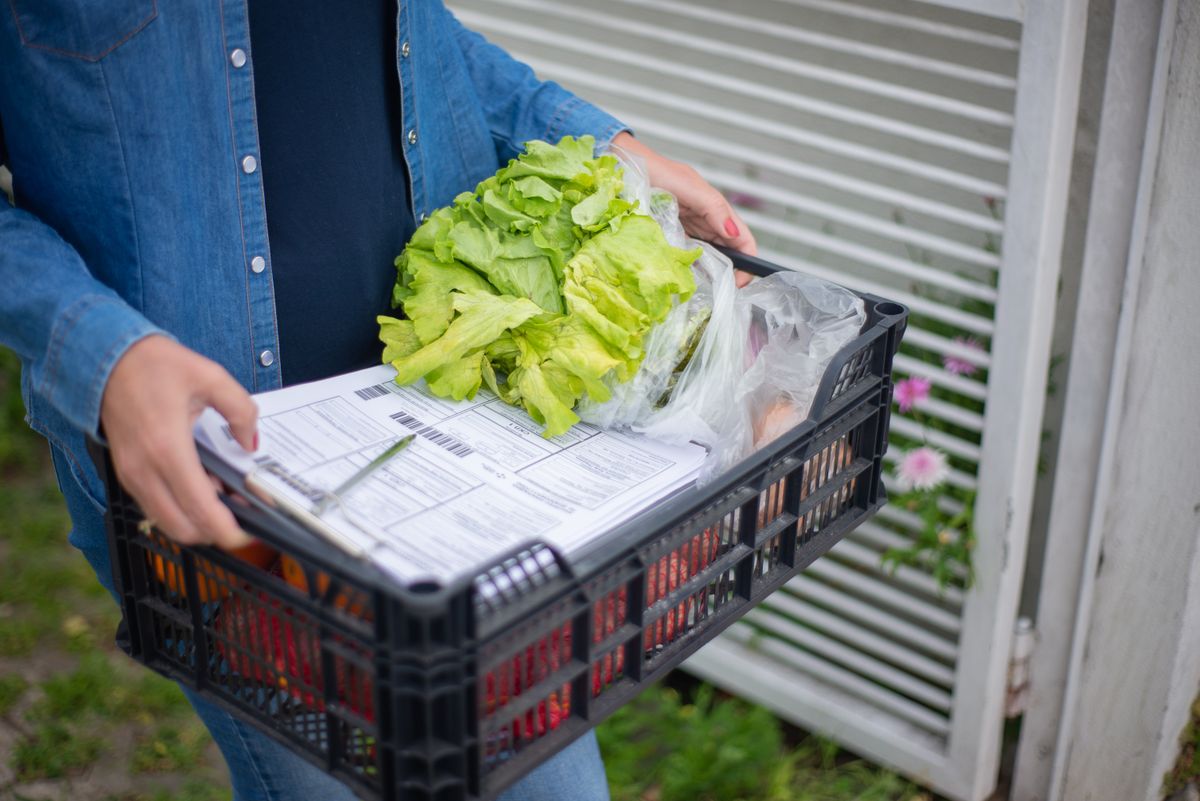
Someone has to check deliveries against the order and the invoice — weights, counts, quality, temperature — and be authorised to reject items and note shortages on the spot. Signing for a delivery nobody looked at means you’ve agreed to whatever’s in the boxes.
Watch for the specific things that go unnoticed: short weights on items priced by the kilo, substitutions you didn’t approve, quality that’s within spec on paper and clearly not what you ordered in reality, and invoice prices that don’t match what was quoted. That last one is worth checking monthly, because agreed prices and invoiced prices drift apart quietly.
This is also where deliveries and inventory meet. If receiving is sloppy, your stock numbers are wrong from the first minute, and everything you calculate downstream is built on a bad number.
Be a customer worth taking care of
Here’s the part that gets left out of every negotiation article. In a shortage, when a price is moving, when someone needs a favour at short notice — suppliers help their good customers first. Being a good customer is cheap and it pays back exactly when you need it.
Pay on time. This is the whole game. The restaurant that pays reliably gets better prices, better terms, and better treatment than the one that squeezes hard and pays late, every single time.
Order predictably and give them notice on big changes. Don’t make every conversation about price. Be reachable and pleasant to deliver to. Tell them what you’re planning — a supplier who knows a new menu is coming can source for it instead of scrambling.
And treat the rep as a person with useful information. They visit dozens of kitchens a week. They know what’s coming into season, what’s about to get expensive, what other places are doing about it. That’s free intelligence, and it goes to the customers they like.
Know what everything costs you
Lekro keeps your menu, prices, and what you’re selling in one place, so you can see what a supplier increase actually does to your margins — and fix your prices in seconds. Start free.
A rhythm to keep
Once a week, check deliveries properly and note anything wrong. Once a month, spot-check invoice prices against what you agreed. Once a quarter, sit down with your price history and see what’s crept up. Once or twice a year, get comparison quotes on your biggest lines and have a proper review conversation with your main suppliers.
None of that is dramatic, and none of it takes long. But it’s the difference between paying today’s fair price and paying whatever last year’s price plus a series of unquestioned increases happens to be — which is what most restaurants are doing right now without knowing it.
Tags